
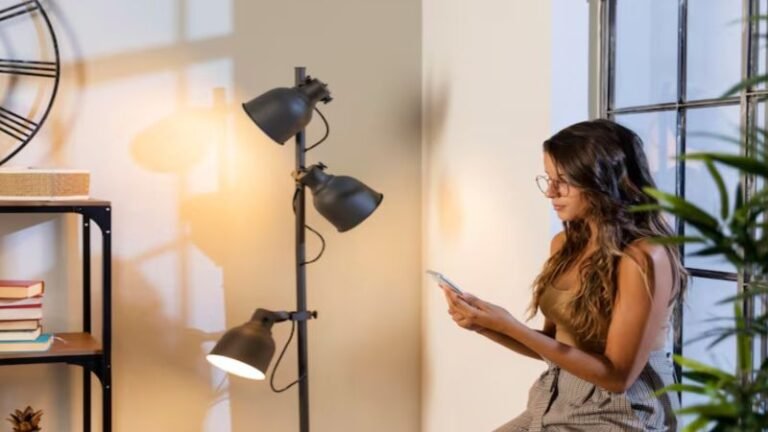
Lighting plays an important role in creating comfortable, functional, and visually appealing spaces. Whether illuminating a residential entrance, highlighting architectural details, or improving visibility around commercial buildings, the right lighting arrangement can make a noticeable difference. However, traditional fixed lighting fixtures often limit how light can be distributed, leaving certain areas too bright while others remain poorly illuminated.
This is where adjustable wall lighting offers a practical solution. By allowing users to control the direction of illumination, these fixtures provide greater flexibility for different environments. Adjustable LED Wall Lights are becoming an increasingly popular option for homeowners, property managers, and businesses looking to combine energy efficiency with effective lighting control.
Understanding their advantages can help property owners make informed decisions when upgrading indoor or outdoor lighting systems.
The Purpose of Adjustable Wall Lighting
Adjustable wall lighting refers to fixtures designed with movable heads, rotating mechanisms, or tilting components that allow light to be directed toward specific areas. Unlike conventional wall fixtures that illuminate a fixed position, adjustable options offer greater control over where brightness is needed.
For example, a wall light installed near a building entrance can be positioned to illuminate the doorway rather than spreading unnecessary light across surrounding surfaces. Similarly, lighting installed along a commercial walkway can be adjusted to improve visibility in areas with frequent pedestrian movement.
The flexibility of these fixtures makes them suitable for residential properties, retail spaces, warehouses, offices, and outdoor environments.
Modern LED technology further improves their practicality by providing consistent illumination while consuming less electricity than many traditional lighting technologies.
Better Control Over Light Direction
One of the biggest advantages of adjustable wall lighting is the ability to direct illumination precisely where it is required.
Traditional fixtures often distribute light in predetermined patterns, which may not suit every architectural layout. Adjustable designs allow property owners to modify the direction of light according to the surrounding environment.
For instance, lighting positioned near outdoor staircases can be directed toward steps to improve visibility. Fixtures installed around landscaped areas can highlight pathways, decorative plants, or architectural elements.
This level of control is particularly useful in spaces where lighting requirements change over time.
Businesses may rearrange outdoor seating, modify entrance layouts, or expand operational areas. Instead of replacing existing fixtures, adjustable lighting can often be repositioned to accommodate these changes.
Improving Safety Around Residential and Commercial Properties
Proper illumination contributes to safer movement around buildings, especially during nighttime hours.
Poorly lit entrances, pathways, parking areas, and staircases can make it difficult for visitors to identify obstacles or changes in ground level. Adjustable wall lighting helps address these concerns by allowing illumination to focus on important locations.
For residential properties, strategically positioned lights can improve visibility around garages, patios, and side entrances.
Commercial buildings can benefit from adjustable fixtures near loading zones, employee entrances, service corridors, and pedestrian walkways.
Adjustable LED Wall Lights can also support security lighting arrangements by illuminating areas that require greater visibility. When positioned correctly, they may help security cameras capture clearer images and make it easier to observe activity around a property.
However, effective placement remains essential. Excessive brightness or poorly directed light can create glare, making visibility more difficult rather than improving it.
Supporting Energy Efficient Lighting Practices
Energy consumption is an important consideration when selecting lighting equipment for homes and commercial facilities.
LED technology has become widely adopted because it converts electrical energy into visible light more efficiently than traditional incandescent lighting.
Adjustable wall fixtures combine this efficiency with directional control, allowing property owners to illuminate targeted areas without unnecessarily lighting surrounding spaces.
For example, a commercial building may require strong illumination around its main entrance but only moderate lighting along nearby walls. Adjustable fixtures can help distribute brightness according to these requirements.
This targeted approach may reduce the need for additional fixtures in some applications, although actual energy savings depend on fixture wattage, operating hours, installation design, and lighting requirements.
Pairing adjustable wall lighting with timers, motion sensors, or automated controls can provide further opportunities to manage electricity consumption.
Enhancing Architectural Appearance
Lighting does more than provide visibility. It also influences how buildings and outdoor spaces appear after sunset.
Architectural features such as textured walls, columns, decorative entrances, and landscaped surfaces can become more visually appealing when illuminated thoughtfully.
Adjustable wall lighting allows designers and property owners to experiment with different lighting angles to achieve the desired appearance.
For example, directing light upward along a textured wall can emphasize its surface details. Positioning a fixture downward may create a softer effect around entrances or outdoor seating areas.
In commercial environments, carefully arranged lighting can make storefronts, restaurants, and office buildings appear more welcoming.
The ability to change lighting direction also allows property owners to update the appearance of a space without making major changes to the existing installation.
Greater Flexibility for Different Outdoor Applications
Outdoor lighting requirements vary considerably depending on the size, purpose, and layout of a property.
A residential patio may need comfortable illumination for evening gatherings, while a commercial loading area requires stronger lighting for operational activities.
Adjustable fixtures can accommodate these differences through directional positioning.
Around residential buildings, they can illuminate garden paths, driveways, balconies, and outdoor entertainment spaces.
For commercial properties, adjustable lighting can support visibility around building perimeters, storage areas, service entrances, and exterior corridors.
Some fixtures also offer multiple adjustable heads, allowing light to be directed toward different locations from a single installation point.
When selecting outdoor fixtures, it is important to consider weather resistance, mounting height, beam angle, and environmental exposure.
A suitable outdoor rating helps ensure that lighting equipment can withstand the conditions in which it will operate.
Reducing Unwanted Glare and Light Spill
Excessive or poorly positioned lighting can create discomfort for building occupants, pedestrians, and neighboring properties.
Glare occurs when excessive brightness interferes with comfortable vision. Light spill happens when illumination extends beyond the intended area.
Adjustable wall lighting provides an opportunity to manage both concerns through careful positioning.
For example, a fixture installed near a residential window can be angled away from the glass to reduce unwanted indoor brightness.
Similarly, lighting around commercial properties can be directed toward walkways instead of neighboring buildings or surrounding roads.
Proper fixture selection is still important because adjustment alone does not eliminate glare. Shielding, beam distribution, mounting position, and brightness levels all influence the final result.
Combining these considerations can create more comfortable lighting conditions while limiting unnecessary illumination.
Simplifying Future Lighting Adjustments
Buildings and outdoor spaces rarely remain unchanged throughout their lifetime.
Homeowners may renovate patios, install new landscaping, or modify driveway arrangements. Businesses may relocate equipment, expand entrances, or redesign outdoor areas.
Fixed lighting installations can become less effective when surrounding layouts change.
Adjustable fixtures offer greater adaptability because their light direction can be modified without necessarily replacing the entire unit.
This flexibility can be particularly valuable for commercial properties that frequently update their facilities.
Maintenance teams can also make directional corrections when fixtures become misaligned or when lighting requirements change.
Although adjustable components should be inspected periodically, their versatility can make long term lighting management more convenient.
Choosing the Right Adjustable Wall Lighting Fixtures
Selecting suitable lighting requires more than simply choosing a fixture with a movable head.
Property owners should consider brightness, color temperature, beam angle, construction materials, and installation requirements.
Brightness should match the intended application. A decorative residential entrance may require less illumination than a busy commercial service area.
Color temperature also affects the atmosphere. Warm white lighting generally creates a softer appearance, while neutral or cooler white lighting may be preferred for certain task oriented environments.
Beam angle determines how widely light spreads. Narrow beams can highlight specific features, while wider beams provide broader coverage.
For outdoor installations, durable materials and appropriate weather protection are essential.
Choosing Adjustable LED Wall Lights with suitable specifications can help ensure reliable performance while meeting the practical and visual requirements of the property.
Professional installation may also be necessary when electrical wiring, mounting height, or local building requirements create additional considerations.
Conclusion
Adjustable wall lighting provides an effective combination of flexibility, functionality, and visual appeal. Its ability to direct illumination toward specific locations makes it valuable for improving visibility, supporting security arrangements, highlighting architectural features, and managing unwanted light spill.
Whether used around residential entrances, commercial buildings, outdoor walkways, or landscaped spaces, adjustable fixtures allow property owners to create lighting arrangements that better match their needs.
With thoughtful placement, suitable fixture specifications, and efficient LED technology, adjustable wall lighting can offer a practical and adaptable solution for modern properties. See more.