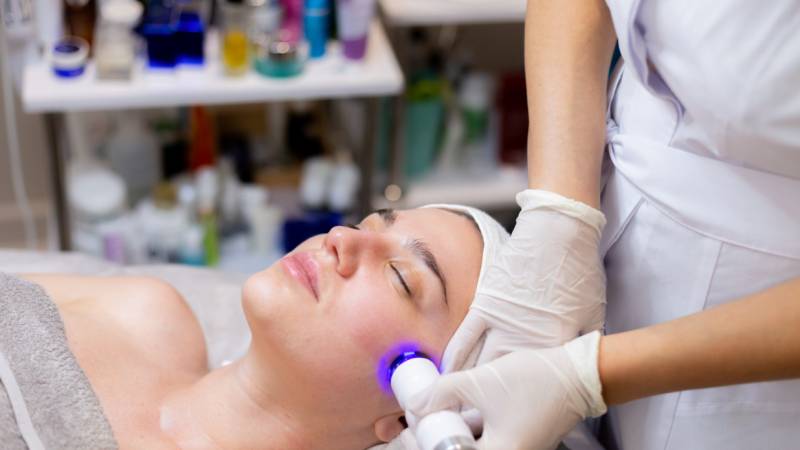

Modern skincare is no longer limited to cleansers, creams, and serums. Light therapy has become a popular addition to at-home routines, offering a convenient way to combine skincare with technology while supporting a healthy-looking complexion.
LED light therapy skincare devices are available in different forms, including face masks, handheld devices, and light panels. With the right approach, light therapy can become a simple part of a consistent skincare routine without making your daily regimen unnecessarily complicated.
Consistency matters more than complexity.
Understanding Light Therapy for Skincare
Light therapy uses specific wavelengths of light to interact with the skin. Different wavelengths are commonly associated with different skincare goals, which is why LED devices may offer red, blue, near-infrared, or multiple light settings.
Red and near-infrared light are frequently used in skincare devices designed to support a youthful-looking complexion, while blue light is commonly incorporated into routines focused on blemish-prone skin. The exact wavelengths and intended uses vary between devices, so users should always check the manufacturer’s specifications.
Light therapy is generally considered a complementary skincare approach rather than a replacement for fundamental skin health practices. A gentle cleanser, moisturizer, and daily sunscreen remain important parts of a well-rounded routine.
Start with a Clean Face
One of the simplest ways to incorporate light therapy is to use your device after cleansing. Removing makeup, excess oil, and other surface impurities provides a clean starting point for your skincare routine.
A gentle cleanser can help prepare the skin without unnecessarily stripping its natural moisture barrier. Once the face is clean and dry, the LED device can be used according to its specific instructions.
A clean routine is a simple routine.
Avoid applying products that are not recommended for use with your particular device, especially ingredients that may increase photosensitivity. Following the manufacturer’s guidance helps create a more appropriate and comfortable experience.
Choose a Consistent Time of Day
Building a regular schedule can make light therapy easier to maintain. Some people prefer using an LED face mask in the evening, while others find that incorporating it into their morning routine works better.
The ideal time depends on your lifestyle and the instructions provided with your device. Rather than trying to use light therapy at an inconvenient time, choose a routine that fits naturally into your day.
For example, an evening routine might involve cleansing, using the LED device, and then applying suitable skincare products. Establishing a predictable sequence can make the process feel less like an additional task.
Make it easy to remember.
Follow the Recommended Treatment Schedule
More light therapy is not necessarily better. Each device is designed with specific treatment times and usage recommendations, so it is important to follow the manufacturer’s instructions rather than creating your own schedule.
Some devices are intended for several sessions per week, while others may have different recommendations. Treatment duration can also vary depending on the technology and device design.
Following the recommended schedule helps you use the device as intended and prevents unnecessary overuse.
Patience is part of skincare.
Like many skincare practices, light therapy should be approached with realistic expectations and consistent use rather than the assumption that a single session will create dramatic changes.
Combine Light Therapy with Essential Skincare
Light therapy works best as one part of a broader skincare routine. It does not replace basic practices such as moisturizing, cleansing, and protecting your skin from ultraviolet exposure.
After completing an LED session, you can continue with skincare products that are appropriate for your skin type and compatible with the device’s instructions. A moisturizer can help maintain hydration, while daytime sunscreen remains essential for protecting skin from UV exposure.
A complete routine provides a stronger foundation.
Keep your routine manageable. Using too many products at once can make it difficult to determine which products your skin responds to positively or negatively.
Consider Your Skin Type and Individual Needs
Every person’s skin is different. Factors such as sensitivity, dryness, oiliness, age, lifestyle, and existing skin concerns can influence how your skincare routine should be structured.
Before introducing light therapy, consider whether the device is suitable for your individual needs. If you have a skin condition, significant sensitivity, or use medications that can increase sensitivity to light, it is wise to seek advice from a qualified healthcare professional.
Personalized care is important.
Choosing a device based on your actual skincare goals is generally more useful than selecting one simply because it is popular online.
Explore Different Types of LED Face Masks
There are many LED face masks available, and their designs and features can differ considerably. Some focus on a single wavelength, while others combine multiple light settings.
Red light masks are commonly used in routines focused on maintaining a youthful-looking complexion. Blue light devices may appeal to people interested in skincare for blemish-prone skin, while multi-light masks provide several settings in one device.
Flexible silicone masks can provide a close fit, while rigid designs may offer a different user experience. When comparing devices, consider comfort, treatment instructions, wavelength specifications, and safety features rather than focusing only on appearance.
The right device should fit your routine.
Protect Your Eyes and Follow Safety Instructions
Responsible use is an important part of incorporating light therapy into your skincare routine. Depending on the device, eye protection may be recommended or built into the design.
Always follow the manufacturer’s instructions regarding eye safety, treatment duration, and positioning. Do not assume that instructions for one LED mask apply to another device, as specifications can vary.
If you experience unexpected discomfort or irritation, discontinue use and seek appropriate advice.
Safety comes first.
Avoid Making Your Routine Too Complicated
One of the benefits of at-home light therapy is its simplicity. You do not need to completely redesign your skincare routine to include an LED device.
A straightforward routine might involve cleansing, using the device according to its instructions, moisturizing, and applying sunscreen during the day. Additional products can be added based on individual needs rather than simply because they are trending.
Simple routines are easier to maintain.
The goal is to create a skincare system that feels realistic enough to continue over the long term.
Track Your Routine and Adjust Carefully
Keeping track of your skincare routine can help you understand how consistently you are using your LED device. Rather than making frequent changes, give your routine enough time to evaluate how your skin responds.
You might note when you use the device, which skincare products you apply, and any changes in how your skin looks or feels. This can make it easier to identify patterns and avoid introducing several new products at the same time.
Consistency creates useful information.
If your skin becomes irritated or reacts unexpectedly, reconsider your routine and seek professional guidance when appropriate.
Protect Your Skin Beyond Light Therapy
Light therapy is only one part of maintaining healthy-looking skin. Daily sun protection, balanced nutrition, adequate hydration, quality sleep, and appropriate skincare products all contribute to overall skin wellness.
Sunscreen is particularly important because LED light therapy does not replace protection against ultraviolet radiation. Using broad-spectrum sunscreen and practicing sensible sun protection can help support your long-term skincare goals.
Healthy skin requires a complete approach.
By treating light therapy as a supporting tool rather than a standalone solution, you can build a more balanced and sustainable routine.
Conclusion
Incorporating light therapy into your daily skincare routine does not have to be complicated. Start with a clean face, choose a convenient time, follow the device’s recommended schedule, and combine LED treatments with essential skincare practices such as moisturizing and sun protection.
See More: SosoActive