I’ve had my 2022 RAV4 Adventure for a few years now, and for most of that time, I never thought twice about how I hauled my bike around. I’d fold down the back seats, lift my 29-inch hardtail into the cargo area, and drive off to whatever trailhead I was hitting that weekend. It worked fine. Simple, no extra gear, no extra cost.
That changed once my girlfriend started joining me more regularly.
When One Bike Became Two?
Loading a single bike into a RAV4 is genuinely not a big deal. Drop the rear seats, angle the front wheel, and you’ve got room to spare for a backpack or two. But two bikes is a different puzzle entirely. Between the frames, pedals, and handlebars, you end up doing this awkward Tetris routine every time you pack up, and there’s barely anything left for helmets, shoes, water, food, or a change of clothes.
The trip that really pushed me to reconsider was a weekend cycling trip out toward the Gorge. We had two bikes, two overnight bags, a cooler, and all our riding gear, and by the time we got everything wedged in, I could barely see out the rear window. That’s when I started actually researching alternatives instead of just living with it.
Narrowing It Down to Two Options
Once I started looking, it became clear pretty quickly that most people in my situation land on one of two solutions: a bike rack or a roof rack. I spent a few weeks going back and forth, reading owner forums, watching install videos, and comparing bike rack options for cars against roof-mounted systems, trying to figure out which one actually matched how I use my vehicle.
I want to be upfront that neither option is objectively “the” answer. What made sense for me came down to a handful of pretty specific factors, and I think it’s worth walking through each one honestly, because I know plenty of RAV4 owners who’d reasonably land somewhere different.
Keeping the Cargo Area Free
This was probably my biggest motivator. Whether I went with a rear-mounted bike rack or a roof rack, both would free up the inside of the RAV4 for gear, which was the whole point. On that front, they’re basically equal. The real differences show up everywhere else.
Carrying One Bike vs. Two
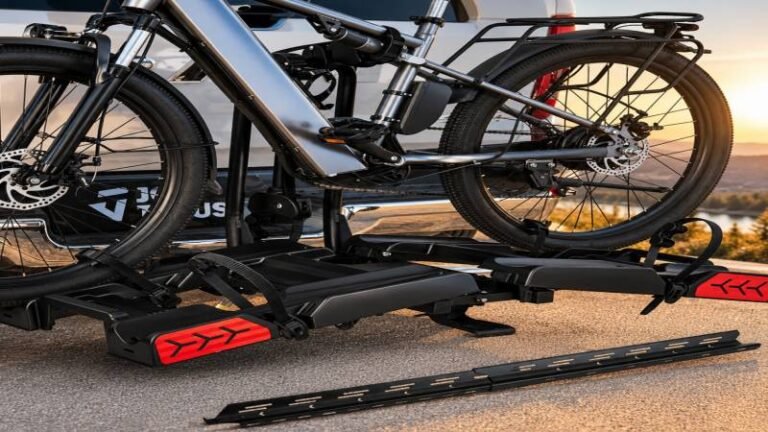
For a solo ride, I honestly could’ve kept loading the bike inside and called it good. But once two bikes became the norm, both a hitch-mounted bike rack and a roof rack could handle that — though how they handle it feels pretty different in practice. Most bike racks built for SUVs like mine can take two bikes without much trouble, and roof rack systems can too, provided you get the right crossbars and bike-specific attachments.
Bike Weight and Lifting
My hardtail isn’t especially heavy, but my girlfriend’s bike has a slightly bulkier frame, and this is where the roof rack idea started to lose some appeal for me. Lifting a bike overhead, especially after a long ride when you’re already tired, is a different kind of effort than sliding it onto a rack at bumper height. I’m not particularly tall, and my RAV4 already sits a bit higher than a sedan, so reaching the roof with a loaded bike wasn’t something I was excited about doing every weekend.
That said, this is very much a personal factor. Someone taller, or someone who doesn’t mind a stepstool routine, might not think twice about it.
Loading and Unloading Convenience
This ties directly into the weight and height issue. A rear-mounted bike rack for SUV use typically means you’re loading at a more natural height, which just feels easier day to day, especially if you’re doing this multiple times a weekend. A roof rack setup can be smooth once bikes are secured, but the process of hoisting them up and locking them into place takes more coordination, at least in my experience watching friends do it.
Rear Hatch Access
This is one of the honest tradeoffs on the bike rack side. Depending on the rack design and how it’s mounted, a rear bike rack can partially or fully block access to the RAV4’s hatch. Some racks tilt down or swing away to let you get into the cargo area, but that’s an extra step, and not every rack does it well. If you’re someone who’s constantly in and out of your trunk, that’s worth thinking through before you buy.
A roof rack sidesteps this issue entirely, since the hatch stays completely clear.
Vehicle and Rack Compatibility
Before buying anything, I had to check what my RAV4 could actually support. The Adventure trim doesn’t come with factory roof rails in the same way some other trims do, so a roof rack setup would’ve meant confirming compatible mounting points or aftermarket crossbar systems. A hitch-mounted bike rack was more straightforward for me since my RAV4 already had a hitch receiver from a prior accessory purchase.
This is one area where I’d tell anyone shopping for either option to actually check their specific trim and model year rather than assuming a rack that fits one RAV4 fits all of them.
Installation
Neither option was something I wanted to spend a whole Saturday on. Hitch-mounted racks are generally quick since they slide into an existing receiver. Roof racks can involve more setup, particularly if you’re installing crossbars from scratch rather than adding onto factory rails. I’m reasonably comfortable with basic installs, but I’m not a mechanic, so simplicity mattered to me more than I expected going in.
Versatility Beyond Bikes
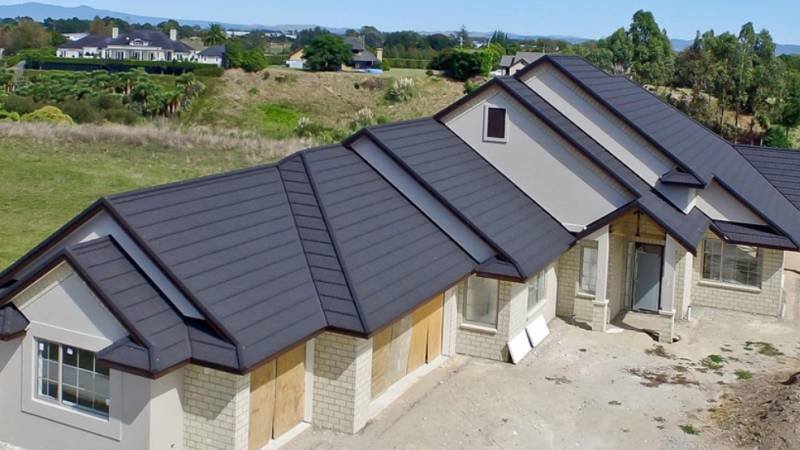
One thing that pushed me to look more seriously at an SUV roof rack was the idea that it isn’t just for bikes. A roof rack system can carry cargo boxes, kayaks, or extra gear for camping trips, which appealed to me since I occasionally haul more than just cycling equipment. A bike rack, by comparison, is pretty single-purpose. Once it’s on your hitch, it’s mostly there for bikes.
If I did more overlanding or hauled bulkier gear regularly, this alone might have tipped me toward the roof.
How Often I Actually Ride
This ended up being the deciding factor more than any spec sheet. I ride most weekends, sometimes solo, sometimes with my girlfriend, and the bikes go on and off the vehicle a lot. For that kind of frequency, I wanted something fast to load and unload without needing a ladder or extra effort every single time.
If I only rode a handful of times a year or mostly used the RAV4 for road trips and camping where roof storage would pull double duty, I probably would have leaned roof rack instead.
Where I Landed
After going back and forth more than I probably needed to, I went with a hitch-mounted bike rack. It kept loading at a comfortable height, it was straightforward to install using the hitch I already had, and while it does require me to tilt the rack down when I need full hatch access, that’s a small tradeoff for how much easier day-to-day loading became.
During my research, I came across a handful of brands, including Joytutus, while comparing SUV roof rack setups against bike-specific racks. I didn’t end up going with a roof rack in this case, but it’s a legitimate option that a lot of RAV4 owners land on, particularly if they need the versatility for more than just bikes.
Why Someone Else Might Choose Differently
If you camp more than you cycle, or you regularly need to carry gear beyond bikes, a roof rack setup probably makes more sense for you than it did for me. Same goes if your vehicle doesn’t have a hitch and adding one isn’t something you want to deal with. On the flip side, if you’re hauling bikes constantly and want the fastest possible loading routine, a rear-mounted rack tends to be the more convenient day-to-day choice.
There isn’t a universal right answer between a bike rack and a roof rack. It really comes down to your specific vehicle, how many bikes you’re carrying, your own physical comfort with lifting gear overhead, and how the rest of your vehicle gets used outside of cycling trips. For me, with a RAV4 Adventure, a hardtail mountain bike, and weekends that revolve mostly around riding, the rear rack just fit better. Someone with a different vehicle, different bikes, or different travel habits might reasonably end up on the roof instead, and that’s a perfectly fine place to land too. See more.