The topic of alcohol and driving is often clouded with misinformation and misconceptions that can lead to serious consequences. Understanding the facts is critical for any driver, especially those seeking interlock device installation near me to ensure compliance with road safety regulations. This article explores common myths about alcohol consumption and driving, clarifying the truths which can safeguard both licences and lives.
Myth 1: Drinking Coffee Can Reverse Alcohol Effects
A prevalent myth suggests that consuming coffee after drinking alcohol will sober a person up. In reality, caffeine is a stimulant that may make individuals feel more alert, but it does not reduce blood alcohol concentration or improve motor skills impaired by alcohol. Reliance on this misconception can be dangerous and lead to impaired driving.
Myth 2: Only Heavy Drinking Impairs Driving Ability
Many drivers believe that they must consume large amounts of alcohol to be legally or physically impaired. However, even small quantities of alcohol can affect reaction time, coordination, and decision-making abilities. Legal limits for blood alcohol content exist precisely because impairment can begin with relatively low alcohol intake.
Myth 3: You Can Legally Drive After One Drink if You Feel Fine
The legal threshold for blood alcohol concentration varies but generally does not allow for any significant intake that would be considered safe for driving. Feeling fine does not equate to being unimpaired. Objective measures show impairment may be present even if a driver feels unaffected.
Myth 4: Eating Before Drinking Prevents Intoxication
Consuming food before or while drinking can slow the absorption rate of alcohol but does not prevent intoxication. The liver can only metabolise a fixed amount of alcohol over time. Hence, eating is not a safeguard against impaired driving.
Myth 5: Breathalysers Are Always Inaccurate
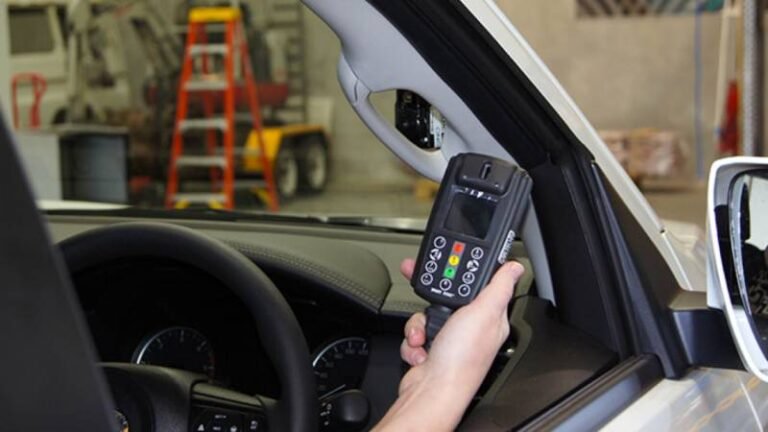
There is skepticism about the accuracy of breathalysers; however, authorised devices used by law enforcement or installed as part of a alcohol ignition interlock programme are highly reliable when maintained and used correctly. These devices are integral to ensuring road safety compliance.
Myth 6: Alcohol Affects Everyone Differently, So Limits Cannot Apply Equally
While individual tolerance and metabolism can vary, legal driving limits are established based on comprehensive research to reduce road incidents. Everyone is subject to these limits, and exceeding them can result in losing one’s licence regardless of personal feeling or tolerance.
Myth 7: It Is Legal to Drive After Drinking as Long as You Avoid Traffic
Driving under the influence is illegal regardless of traffic conditions. The risk to yourself and others is substantial, irrespective of the road environment. The law enforces strict penalties to deter impaired driving.
Myth 8: Only Police Random Checks Result in Breath Testing
Besides random police breath testing, many jurisdictions require the installation of an interlock device for certain offenders which continually tests a driver’s ability to start and operate a vehicle. Those seeking assistance from Smart Start Interlocks can access professional services for installation and maintenance of these devices.
Myth 9: You Can Rely on Personal Estimates of Blood Alcohol Concentration
Self-assessment of intoxication levels is unreliable. Factors such as beverage type, drinking speed, body weight, and metabolism influence blood alcohol concentration. Official testing remains the only accurate method to determine fitness to drive.
Myth 10: Alcohol impairment ends immediately when one stops drinking
The effects of alcohol persist long after the last drink. Blood alcohol concentration can continue to rise for up to an hour after drinking stops. Planning sufficient time before driving is essential to ensure safety and legal compliance.
Consequences of Believing Alcohol and Driving Myths
Adhering to inaccurate beliefs about alcohol consumption and driving significantly increases the risk of accidents and legal penalties, including disqualification or loss of your driving licence. These myths undermine public safety and can have tragic outcomes.
Promoting Responsible Driving Practices
Understanding the realities of alcohol impairment supports safer driving decisions. Utilising tools such as an alcohol ignition interlock can assist drivers in maintaining compliance, particularly for those with prior offences or at risk of impaired driving.
Accessing Professional Support
Individuals seeking assistance with managing alcohol-related driving restrictions should contact reputable providers. Smart Start Interlocks offers expert advice and service centre listings for professional installation. Locate a trusted option for interlock device installation near me to ensure adherence to legal requirements and enhance road safety.
Conclusion
Dispelling myths about alcohol and driving is crucial for maintaining safe roads and protecting licences. Drivers must educate themselves on factual information and utilise available resources such as Smart Start Interlocks when necessary. Responsible choices supported by accurate knowledge safeguard lives and legal status. See more.