
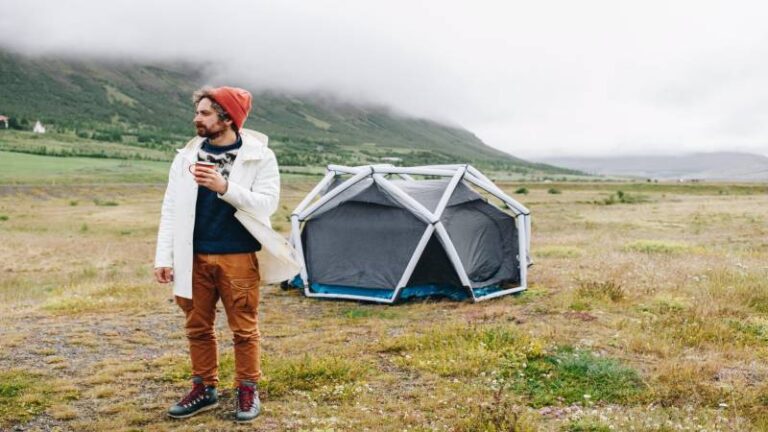
Choosing between camping tents can feel harder than it should once you compare sizes, materials, and setup styles side by side. Some campers want something they can pitch alone in minutes, while others care more about surviving a windy night without a single leak. An inflatable camping tent has become a popular middle ground for people who want speed without giving up too much stability. Whatever you’re after, the right shelter comes down to matching a few key features to how you actually camp.
Most buying guides throw a wall of specs at you and leave the actual decision up to you. This one breaks things down by what changes your day to day camping experience, not just what looks good on a label. We’ll cover size, materials, weather protection, setup style, and durability, along with when an inflatable option makes more sense than a traditional pole tent. By the end, you should be able to match a tent to your trips instead of guessing based on price alone.
Picking the Right Size and Floor Space
Tent capacity ratings rarely match reality, since a listed four person tent often fits two adults comfortably once sleeping pads and gear go inside. A good rule is to size up by one or two people beyond your actual group if you want room to move without bumping elbows. Floor space matters more than the person count printed on the box, so checking the square footage gives a clearer picture. Height matters too, especially if anyone in your group wants to stand up and change clothes without crouching.
Families and groups often lean toward cabin style tents with near vertical walls, since they make the most of the interior space. Smaller pole tents with sloped walls save weight but shrink the usable room fast near the edges. Think about how many nights you’ll actually spend inside versus just sleeping, since a tent used only for sleep can run smaller than one used as a rain day hangout. Matching the layout to your actual camping style avoids paying for space you’ll never use.
Materials and Weather Protection
Polyester and nylon dominate most camping tents today because they’re light, dry fast, and resist stretching when wet. Canvas tents last longer and insulate better against heat and cold, but they weigh far more and take longer to dry after rain. Waterproof rating matters just as much as fabric type, since a low rated rainfly can soak through during a heavy storm regardless of material. Seam sealing is another detail worth checking, since untreated seams are usually where leaks start first.
Ventilation prevents condensation from building up overnight, which is often mistaken for a leak when it’s really just trapped moisture. Mesh panels, adjustable vents, and a rainfly with gap space all help air move through the tent. Tents built for three or four seasons handle wind and cold better than basic warm weather models. Checking the season rating before buying saves you from being caught off guard on a chilly or windy trip.
Why More Campers Are Choosing an Inflatable Camping Tent
An inflatable camping tent swaps rigid poles for air filled beams that you pump up instead of threading fiberglass or aluminum rods. This makes solo setup realistic even for larger tents, since there’s no juggling pole sections while wind pushes the fabric around. Most designs use multiple air chambers, so losing pressure in one beam doesn’t collapse the whole structure at once. Setup usually takes just a few minutes with an electric or hand pump, which matters when you’re racing daylight or bad weather.
The tradeoff is that this style tends to weigh more than a comparable pole tent and packs down a bit larger. You’ll also need a working pump every time you set up, so a backup hand pump is worth carrying in case the electric one fails. Air beams generally handle gusty conditions well since they flex rather than snap like a stressed pole can. For families or groups who value fast, low effort setup over the lightest possible pack weight, this option is worth serious consideration.
Setup Speed and Ease of Use
Pole tents range widely in setup difficulty, from simple two pole backpacking shelters to sprawling cabin tents that need two or more people working together. Color coded poles and clip systems speed things up, while sleeve based designs tend to take longer and require more patience. Practicing a full setup at home before your trip saves real frustration once you’re standing in a dark or windy campsite. A few dry runs also help you spot missing stakes or damaged parts before it’s too late to fix them.
Instant and pop up style tents trade some durability for speed, snapping into shape in under a minute for short trips or festivals. These work well for casual use but usually aren’t built for repeated heavy weather. If setup speed is your top priority every single trip, comparing pole tents against an inflatable camping tent side by side is worth the extra research time. The fastest option for you depends on how many hands you’ll have helping and how much wind you’re likely to face.
Durability, Storage, and Long Term Care
Fabric denier and pole material both affect how well a tent survives years of regular use. Higher denier fabrics resist tears and abrasion better, which matters if you’re setting up on rocky or uneven ground often. Aluminum poles bend back into shape more easily than fiberglass ones, which tend to splinter once stressed. Zippers are another weak point worth checking, since a jammed or torn zipper can end a trip early even if the rest of the tent is fine.
Storing camping tents properly extends their life more than almost any other habit. Always dry a tent fully before packing it away, since trapped moisture leads to mold and fabric breakdown over time. Loose storage in a large bag beats tight rolling, which stresses the waterproof coating over repeated trips. A little care between uses often matters more than the price tag when it comes to how long a tent actually lasts.
Matching a Tent to Your Camping Style
Backpackers prioritize weight above nearly everything else, often accepting a smaller footprint and lower comfort for a lighter pack. Car campers have more flexibility since they aren’t carrying the tent far, which opens the door to larger cabin style tents or an inflatable camping tent that trades pack weight for setup ease. Festival goers and short weekend campers often do fine with simpler instant tents that prioritize speed over long term durability. Knowing which category you fall into narrows the decision fast.
Weather and location also shape the right choice more than most buying guides mention upfront. A calm, dry summer campground has very different needs than an exposed coastal site with regular wind. Reading a few real reviews from people who camped in conditions similar to yours tells you more than a spec sheet ever will. The best camping tents for your trips are the ones built for the conditions you’ll actually face. See more.
Frequently Asked Questions
Are inflatable camping tents as durable as pole tents?
Quality inflatable tents hold up well against wind since the air beams flex, though they generally weigh more and need a working pump for setup.
What size camping tent should I buy for a family of four?
Look for a tent rated for six people, since real world capacity is usually two people fewer than the listed rating once gear is inside.
Do camping tents need a footprint or ground tarp?
Yes, a footprint protects the tent floor from punctures and moisture, and it usually extends the life of the waterproof coating underneath.
How do I stop condensation inside my tent?
Improve airflow with mesh panels and vents, and avoid fully sealing the rainfly on dry nights so trapped moisture can escape.
Can one person set up an inflatable camping tent alone?
Yes, most inflatable designs are built for solo setup since there are no poles to thread or hold in place while pitching.