
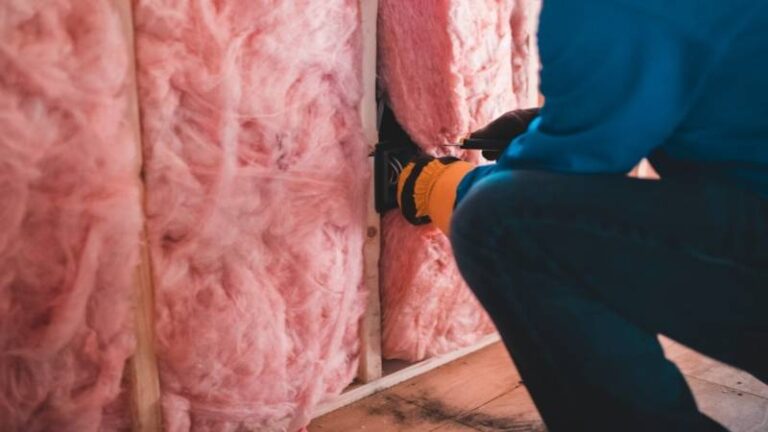
A home should not feel like a different climate every time you walk from one room to another. If your bedroom feels stuffy, your living room feels drafty, or your energy bill keeps climbing for no obvious reason, your wall insulation may be part of the problem.
Most people think about insulation only when they are building a house or dealing with a major renovation. But the truth is simpler: insulation affects daily comfort. It helps control temperature, reduce drafts, soften noise, and make your home feel more stable throughout the day.
You may not see it, but you definitely feel it.
Why Your Walls Matter More Than You Think?
Walls do more than divide rooms or hold decor; they help protect your indoor comfort from outdoor weather. When the insulation inside them is missing, old, damaged, or poorly installed, heat can move through the structure more easily, making your HVAC system work harder to keep the home comfortable.
That is why some rooms never seem to match the thermostat. Better insulation helps slow heat transfer, making indoor temperatures feel more even and manageable throughout the day.
The real benefit is not just lower energy use. It is the everyday feeling of living in a home that finally feels balanced.
The Everyday Comfort Benefits of Better Wall Insulation
Good insulation is not the kind of home upgrade people usually notice right away. No one brags about insulated wall cavities, but they do notice when a home feels quieter, cooler, and more comfortable. That is the value of insulation: it works quietly in the background every day.
More Consistent Room Temperatures
Uneven comfort is one of the clearest signs that your home may have poor insulation. A bedroom might feel too hot in the afternoon, while a hallway or an older section of the house feels colder than the rest. Better wall insulation helps reduce those temperature swings by creating a stronger barrier that keeps rooms closer to the temperature you want.
Less Strain on Heating and Cooling
If your walls let heat move in and out too easily, your HVAC system has to work harder to keep the house comfortable. Better insulation helps conditioned air stay where it belongs, which can reduce long-run times and wasted energy. Your AC or heater should not have to overwork just because your walls are underperforming.
A Quieter Indoor Space
Wall insulation can help soften everyday noise, from traffic and barking dogs to sounds moving between rooms. It will not make your house completely silent, but it can make the space feel calmer for families, remote workers, students, or anyone who values peace at home. Windows and doors matter too, but walls play a bigger role in comfort than many people realize.
Signs Your Home May Need Better Wall Insulation
Insulation problems are not always obvious. You usually do not see them unless a wall is opened up. But your home may still give you clues.
Pay attention to patterns like these:
- Certain rooms are always hotter or colder than others.
- The thermostat says one thing, but the room feels different.
- Your energy bills seem high compared to your usual usage.
- Exterior walls feel unusually warm or cold to the touch.
- You notice drafts even when windows and doors are closed.
- Noise travels too easily from outside or between rooms.
- The home feels humid, stuffy, or uncomfortable in certain areas.
These signs do not automatically mean wall insulation is the only problem, since air leaks, windows, attic insulation, crawl spaces, and HVAC performance can all affect comfort. Still, if several issues keep showing up, your walls are worth checking. Constantly adjusting the thermostat, buying fans, or blaming the weather is only a temporary patch if the structure itself is letting comfort escape.
Wall Insulation and Energy Bills: What to Know
Energy bills can rise for many reasons, including weather changes, energy rates, appliance use, and the age of your HVAC system. Insulation alone will not solve every cost problem, but it does play an important role in energy efficiency. By helping reduce heat flow, insulation can lower heating and cooling demand when it works alongside proper air sealing and ventilation.
For walls, the goal is to limit unnecessary heat transfer so your home feels more comfortable and your system does not have to work as hard. Homes with little, damaged, or settled wall insulation may need different solutions depending on their structure, age, and condition. That is why guessing is a bad strategy, especially since fiberglass, blown-in insulation, and spray foam all have different uses and installation requirements.
A qualified insulation contractor can evaluate the home, look at the problem areas, and recommend an option that fits the structure instead of forcing a one-size-fits-all answer.
How to Think About Wall Insulation Before Starting a Project
Before spending money, get clear on what you are trying to improve. Are you dealing with hot rooms? Drafts? Noise? High bills? A room addition that never feels right?
The better you define the problem, the easier it is to choose the right solution.
Start by walking through your home at different times of day. Notice which rooms feel uncomfortable and when. Afternoon heat in one room may point to sun exposure and exterior wall performance. Morning chill in another room may suggest air leakage or insulation gaps.
Then look at the bigger picture. Has the home been renovated before? Are some walls newer than others? Do you know if the exterior walls were ever insulated properly? Older homes, especially, may have inconsistent insulation levels.
It is also smart to avoid treating wall insulation as a DIY guessing game. Some small home comfort fixes are simple enough to handle yourself, like adding weatherstripping or using heavier curtains. Wall insulation is different. It can involve moisture concerns, wall cavities, electrical areas, ventilation, and building code requirements.
Done poorly, insulation can create new problems. Done well, it can make the home feel more comfortable for years.
A Better-Feeling Home Starts Behind the Walls
The best home upgrades do not just change how a room looks; they change how it feels. Better insulation can improve daily comfort by helping you sleep better, relax more easily, and rely less on constant thermostat adjustments. Wall insulation may not be glamorous, but it supports comfort, energy efficiency, and a quieter indoor environment where rooms finally feel right.
If your home feels uneven, drafty, noisy, or harder to cool than it should be, do not ignore the walls. They may be doing more than holding up shelves and picture frames. They may be quietly shaping the way your home feels every single day. See more: sosoactive.net.