
Planning a trip to the Adriatic coast requires a clear budget, as prices have evolved significantly over recent years. A week in Croatia costs between €300 and €1,500+ per person in 2026, a range that fluctuates heavily depending on your travel style, the season you visit, and your itinerary. While the country was once considered a budget destination relative to Western Europe, it now aligns more closely with standard European pricing, particularly in popular coastal hubs like Dubrovnik and Hvar.
However, smart planning allows for a wide variety of experiences, from frugal backpacking adventures to luxurious yacht weeks. By breaking down the costs of accommodation, food, transport, and activities, travelers can tailor their budget to ensure they get the most value out of their Croatian holiday.
What is the estimated weekly budget for different types of travelers?
Your trip cost depends largely on your desired comfort and convenience. The most comprehensive cost estimates for 2026 break down into three distinct categories, allowing visitors to align their expectations with their bank balance. A budget traveler who is willing to make compromises can survive on significantly less than a luxury seeker, but even mid-range travel requires careful budgeting. Understanding these tiers is essential for planning, as daily expenses can spiral if not monitored, especially when moving between the mainland and the islands where prices for goods and services tend to be higher.
How much does a budget or mid-range trip cost per person?
For budget-conscious travelers, daily expenses typically range from €40–€70 per day. Achieving this requires discipline, such as staying in hostel dormitories which cost between €15 and €25 nightly, and relying heavily on self-catering. Budget travelers often limit restaurant visits, opting instead for supermarket groceries and bakery sandwiches that cost around €8–€13 daily.
Transportation for this group is strictly public, utilizing buses and ferries, and paid attractions are limited to two or three major highlights per week. A full week of coastal travel for a budget backpacker might total €350–€500 per person, provided they prioritize free sights like Diocletian’s Palace and public beaches.
Mid-range travel increases the daily budget to €80–€140 per day. This bracket offers significantly more comfort, including private hostel rooms or budget hotels priced at €50–€70 nightly. Mid-range travelers can enjoy occasional restaurant meals costing €10–€25 and often utilize city tourism cards to save on transport and museum fees.
A two-week comprehensive itinerary for this demographic, covering Zagreb, Plitvice Lakes, and Split, typically costs between €700 and €1,000 per person. Moderate comfort travel, which includes mid-range hotels and all meals at restaurants, pushes the daily spend to €150–€200, allowing for a more relaxed experience with organized tours and taxis.
What should a family of four expect to pay for a week?
Traveling as a family saves money on accommodation but multiplies the costs for food and activities. A family of four should expect to spend between €1,850 and €3,300 for a week in Croatia.
- The largest portion of this budget is accommodation, with villas or apartments ranging from €900 to €1,800 per week depending on the location and amenities like a pool.
- Food expenses for a family generally run between €500 and €700, assuming a mix of dining out and cooking in the rental apartment.
- Transport costs, including car rental or intercity transfers, add another €250–€400.
- Activities such as park entrances and boat tours can cost between €200 and €400.
This estimate ensures a comfortable trip without excessive luxury, balancing memorable experiences with practical spending.
How do accommodation and dining expenses impact your total spend?
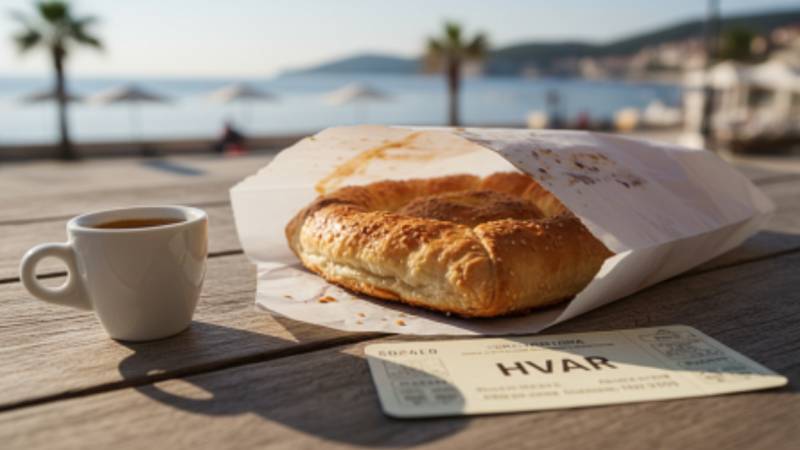
Accommodation is the most variable expense in any Croatian travel budget, ranging from as little as €15 for a hostel bed to over €500 per night for a luxury villa or high-end hotel. The location plays a critical role; staying in coastal areas or on popular islands like Brač or Hvar costs significantly more than inland regions or smaller towns. For example, a mid-range hotel might cost €100–€180 nightly, while a 4–5 star hotel can easily demand €200–€400. To mitigate these costs, many travelers opt for private apartments or guesthouses, which offer a sweet spot of comfort and value at €40–€90 per night.
Dining choices also greatly impact costs. Eating exclusively at restaurants can cost a traveler €40–€60 daily, whereas self-catering reduces this expense to a fraction of the price. Budget-conscious visitors can take advantage of local markets and bakeries to keep food costs low, while those seeking a culinary experience should budget for higher prices, especially in tourist hotspots where “tourist trap” menus are common. Balancing a few special dinners with casual lunches or home-cooked breakfasts is a common strategy to manage the total spend without sacrificing the enjoyment of local cuisine.
How can you ensure affordable connectivity while visiting Croatia?
Staying connected is crucial for modern travelers, whether for navigating with maps, translating menus, or sharing moments on social media. Relying on traditional roaming plans from your home provider can be prohibitively expensive, often leading to “bill shock” upon return. A much more cost-effective and convenient alternative is to purchase an eSIM for Croatia, which provides instant access to local high-speed networks without swapping physical SIM cards. This technology eliminates roaming fees and allows travelers to choose data packages that fit their specific trip duration and data needs.
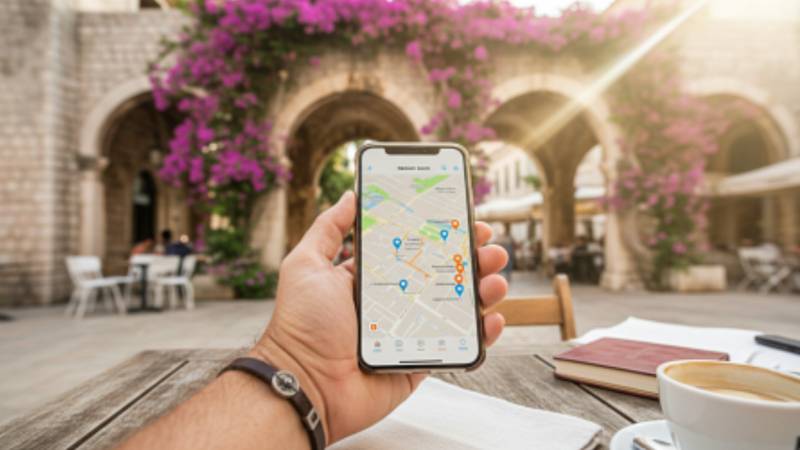
Digital solutions have changed how tourists connect. By activating a digital data plan, you avoid finding a local kiosk and dealing with language barriers immediately after a long flight. Services like amigosim allow you to set up your internet connection before you even land, ensuring that you can hail a ride or contact your accommodation the moment you arrive. This seamless approach not only saves money compared to daily roaming charges but also provides the security of having reliable internet access in remote island locations or while hiking in national parks.
What are the typical costs for transportation and local activities?
Transportation in Croatia is generally affordable, especially if you use public transport.
- Local bus tickets typically cost between €1.5 and €3, while intercity buses offer a budget-friendly way to move between major hubs for €10–€30.
- For those preferring more freedom, car rentals are a popular option, costing €35–€60 per day, though prices can spike during peak season.
- Ferries are essential for island hopping, and while foot passenger tickets are cheap, bringing a car onto a ferry significantly increases the cost.
- Taxis and rideshares are available, with start fares around €2–€5, but costs can accumulate quickly if used frequently.
Activity costs vary widely depending on interest. Many of Croatia’s greatest assets, such as its beaches, old town centers, and architectural marvels like Diocletian’s Palace, are free to explore. However, entrance fees for national parks like Plitvice Lakes or Krka are significant expenses, often exceeding €25–€40 per person in high season.
Organized tours, wine tastings, and boat excursions add to the budget but provide comprehensive cultural access. Budget travelers can keep costs down by prioritizing free attractions and limiting paid tours to one or two “must-see” experiences.
How does the time of year affect the price of your holiday?
The season in which you visit Croatia is the biggest factor affecting the price of your holiday. The peak season, spanning July and August, brings the highest prices across the board. During these months, accommodation in popular destinations like Dubrovnik can skyrocket, with even budget options reaching €70–€140+ nightly. Demand is at its highest, meaning deals are scarce, and booking well in advance is essential to secure reasonable rates.
Conversely, the shoulder season (April–May and September–October) offers the best value for money. During these months, the weather is often still pleasant, but the crowds have thinned, and prices drop to moderate levels, with daily totals for budget travelers hovering between €95 and €175. The off-season (November–March) provides the cheapest rates, with daily costs dropping significantly to €80–€155 for budget travelers and accommodation prices falling as low as €40–€90 per night. However, travelers should be aware that during the off-season, ferry schedules are reduced, and some coastal businesses may be closed for the winter. See more