
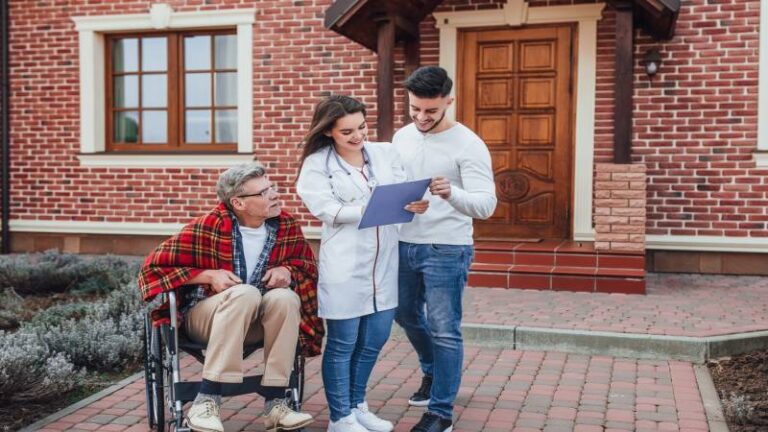
The way families think about elder care is shifting. Nursing homes and assisted living facilities still play an important role, but millions of American families are now choosing a different path—keeping their loved ones at home with the support of a trained professional.
That trained professional is the home health aide, and right now, the demand for them has never been higher.
The Numbers Behind the Surge
According to the U.S. Bureau of Labor Statistics, the home health and personal care aide industry is projected to grow by 22% through 2032—one of the fastest growth rates of any occupation in the country. An aging population, the rising cost of residential care facilities, and a genuine preference among seniors to remain in familiar surroundings are all driving this shift.
For families navigating this decision, understanding what a home health aide actually does—and what it takes to become one—can make all the difference.
What does a home health aide do?
Home health aides provide hands-on assistance to clients who are elderly, disabled, or chronically ill. Their responsibilities typically include:
- Personal care: Bathing, grooming, dressing, and toileting
- Mobility support: Helping clients move safely around their home
- Medication reminders: Ensuring clients take the right medication at the right time
- Meal preparation: Planning and preparing nutritious meals based on dietary needs
- Observation and reporting: Noticing changes in a client’s condition and communicating with healthcare teams or family members
It’s physically demanding work, but for many aides, it’s also deeply personal. The relationships built in home care settings are often long-term—and that continuity of care matters enormously to clients and their families.
Getting Certified: What the Process Looks Like
Becoming a licensed home health aide requires completing a state-approved training program—typically 75 hours or more—followed by a written and skills competency exam. Requirements vary by state, but most programs cover clinical topics like infection control, safety procedures, patient rights, and emergency response.
Candidates who want to walk into their exam with confidence often turn to structured study tools. A solid home health aide practice test is one of the most effective ways to identify weak spots before sitting for the real thing—and to get familiar with the question format and pacing.
This matters more than most people realize. Many exam candidates know the material in theory but underperform because they haven’t practiced under timed conditions. Simulating the actual test environment helps bridge that gap.
Who should consider this career path?
Home health aide work appeals to people who are naturally empathetic, patient, and comfortable with the physical and emotional aspects of direct care. It’s a strong option for:
- Career changers looking for meaningful, stable work
- Individuals already serving as unpaid family caregivers who want to formalize their skills
- Students in healthcare programs who want practical field experience
- Retirees seeking part-time, purpose-driven work
The earning potential is modest compared to clinical nursing roles, but many aides find the one-on-one nature of the work uniquely rewarding. And with certification, there’s room to specialize—in dementia care, pediatric home care, or hospice support, for example.
For Families: What to Look for in a Home Health Aide
If you’re evaluating home care options for a family member, the certification status of any aide you consider matters. The threshold of accountability set by registered home health aides, who have finished standardized training and demonstrated their competence through evaluation, may not be met by self-described caregivers without qualifications. Ask agencies directly whether their aides hold state-recognized HHA credentials, and don’t hesitate to request documentation.
A Growing Field, A Human Need
In-home care is not a stopgap. For many seniors and people with disabilities, it’s the arrangement that preserves dignity, independence, and quality of life. As that demand continues to grow, the trained professionals who meet it will remain some of the most essential workers in the American healthcare system.
Whether you’re thinking about entering this field or finding the right care for someone you love—it starts with understanding what good preparation looks like. You can learn more about HHA exam requirements and study resources through the Bureau of Labor Statistics’ official career guide.