
Why Indoor Air Quality Matters?
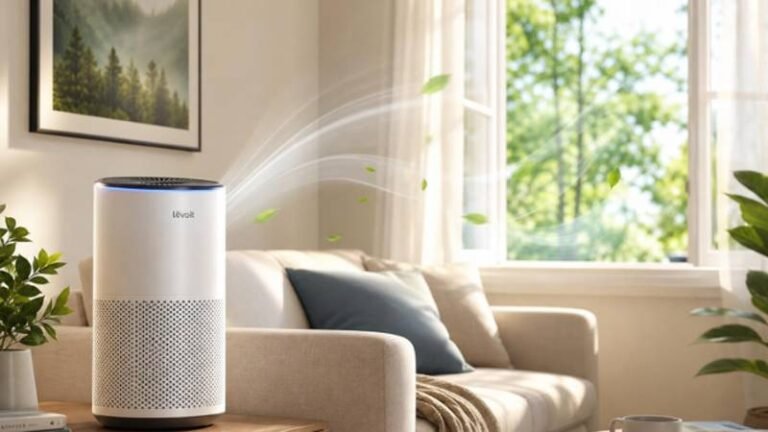
Most of us spend the bulk of our lives indoors, and when ventilation falls short, pollutants tend to accumulate instead of dispersing. Common indoor contaminants include particulate matter, smoke, pollen, mold spores, volatile organic compounds (VOCs), formaldehyde, radon, and carbon monoxide. Some households look into portable filtration, such as an air purifier, as one piece of a broader air-quality strategy—though filtration on its own rarely solves every problem. Improving indoor air generally works best through a combination of source control, ventilation, and filtration, rather than leaning on any single fix. This article walks through identifying pollutant sources, improving airflow, managing moisture, choosing filtration appropriately, and building habits that keep these measures working over the long haul.
Identify the Main Sources of Indoor Air Pollution
Indoor pollutants generally fall into two categories: particles and gases. Particles include dust, pollen, pet dander, smoke, and fine particulate matter, while gases cover VOCs, combustion by-products, and formaldehyde released from certain building materials or furnishings. Pollution can originate inside the home or arrive from outdoor air seeping in.
Typical sources include cooking and frying, cleaning products, candles and incense, tobacco or vaping smoke, fuel-burning appliances, certain building materials, and damp areas prone to mold growth.
Visible mold, persistent musty odors, condensation on windows, excessive dust, or recurring irritation are worth investigating further—though none of these on their own confirm a specific health condition. Paying attention to when and where symptoms or odors show up can help narrow down the cause. One important caveat: carbon monoxide is odorless and can’t be detected by smell, so homes with combustion appliances should rely on properly installed carbon-monoxide alarms rather than human senses.
Start With Source Control
Removing or reducing a pollution source is often the most effective first step you can take. Practical examples include repairing leaks promptly, avoiding indoor smoking, choosing lower-emission products when practical, storing paints and solvents according to label instructions, and keeping household chemicals sealed and away from living spaces. Visible mold should be cleaned safely, with attention paid to the underlying moisture source rather than just the surface growth.
Routine cleaning cuts down on settled dust, but it won’t eliminate all airborne pollutants by itself. Always follow manufacturer instructions and relevant safety guidance when using cleaning or maintenance products.
Key Takeaway: The most effective air-quality improvement is often preventing pollutants from entering or accumulating in the home in the first place.
Improve Ventilation Safely
Ventilation dilutes indoor pollutants and helps move them out of occupied spaces. Kitchen and bathroom exhaust fans that vent outdoors are particularly useful where available. Opening windows or doors can help when outdoor air quality, weather, security, and local conditions make it reasonable to do so—though ventilation isn’t automatically a good idea during outdoor smoke events, heavy pollution, extreme temperatures, or high outdoor humidity.
It’s worth distinguishing between fans that exhaust air outdoors and those that simply recirculate indoor air without actually removing pollutants. Avoid blocking vents or modifying combustion-appliance ventilation without professional advice. Homes with unusually tight construction or persistent moisture issues may benefit from a qualified assessment of the ventilation system, since effectiveness depends on airflow rate, room layout, exhaust location, and whether replacement air can enter safely.
Manage Moisture, Mold, and Combustion Risks
Leaks, condensation, and damp materials create the conditions mold needs to grow. Identifying and correcting water intrusion, improving bathroom ventilation, and drying wet materials promptly all help limit this risk. Rather than citing a single “ideal” humidity number, it’s more reliable to follow authoritative local or building-health guidance suited to your climate.
Fuel-burning appliances—gas, oil, wood, and similar sources—require safe use and regular maintenance. Cooking also produces particles and gases, which is what makes source-capturing ventilation, like a range hood vented outdoors, especially valuable. If a malfunction is suspected in appliances, chimneys, flues, or vents, a professional inspection is warranted.
It bears repeating: an air-quality device is not a substitute for a carbon-monoxide alarm. Measures that reduce pollutants and devices that warn occupants of danger serve two entirely different purposes.
Use Filtration as a Supplement—Not a Replacement
Filtration can reduce some airborne particles, but it can’t resolve every indoor-air-quality issue on its own. Its effectiveness depends on both the filter’s collection efficiency and how much air actually passes through it. Two broad options exist: portable room air cleaners and filters installed within central HVAC systems.
When weighing options, consider room size and airflow, filter efficiency, noise and operating costs, availability of replacement filters, and whether a device produces ozone or other by-products. For compatible HVAC systems, a MERV 13 filter—or the highest rating the system can safely accommodate—is often identified as a reasonable choice. Choose a filter that your HVAC system is designed to handle, since installing one beyond its capability may restrict airflow or strain the equipment.
Devices that intentionally generate ozone warrant caution; industry guidance generally recommends sticking with technologies that have demonstrated safety and appropriate standardized testing. Avoid devices that may introduce harmful by-products. Ultimately, filtration is a supplement, not a complete indoor-air-quality solution—it doesn’t replace source control, ventilation, moisture management, or professional remediation.
Build Sustainable Everyday Habits
Simple routines support cleaner air over time: running exhaust ventilation while cooking and briefly afterward, replacing filters according to verified manufacturer guidance, cleaning in ways that limit dust resuspension, maintaining pet areas and bedding, avoiding the mixing of cleaning chemicals, and keeping appliances and ventilation equipment in good repair.
A useful decision sequence to keep in mind: identify the likely pollutant, reduce its source, improve ventilation if outdoor conditions allow, add compatible filtration for what remains airborne, then reassess and maintain the solution.
When to Seek Professional Help
Some situations call for qualified assistance: recurring or extensive mold, persistent water intrusion, suspected radon, carbon-monoxide concerns, fuel-burning appliance problems, renovation-related dust or chemical exposure, or symptoms that persist despite reasonable changes. Consumer monitors can offer useful indications, but they may not detect every pollutant or establish a medical cause. Depending on the issue, consulting a qualified HVAC technician, certified mold-remediation specialist, building inspector, or healthcare provider is a sensible next step—one grounded in recognized guidance rather than unverified product claims.
A More Practical Way to Think About Cleaner Indoor Air
A helpful hierarchy: source control prevents pollution, ventilation dilutes and removes it, filtration captures some of what remains airborne, and maintenance keeps each measure functioning. Consider a household dealing with cooking particles in the kitchen and recurring condensation in the bathroom—these call for different interventions, from range-hood ventilation to moisture control, rather than one universal fix.
Making Indoor Air Quality Manageable
In practice, it comes down to this: find likely sources, reduce them, ventilate safely, control moisture and combustion risks, add compatible filtration where it adds value, and maintain the system over time. Rather than trying to change everything at once, consider starting with one clearly identified problem. A healthier indoor environment usually comes from several modest, evidence-based measures working together, not a single dramatic overhaul. See more.