
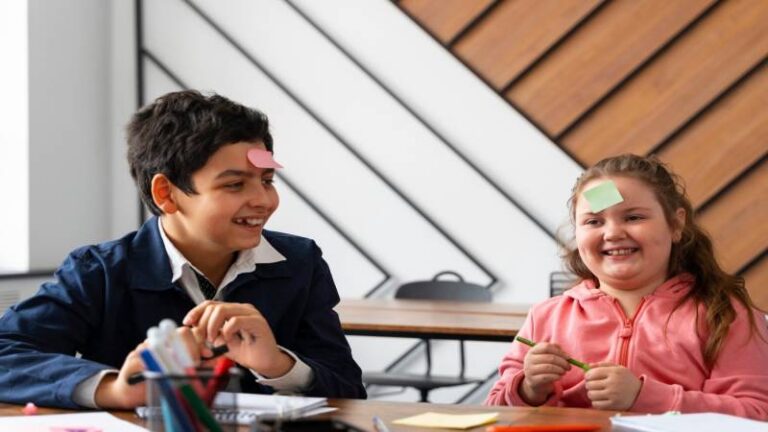
Education has the power to change the direction of a child’s life. For many children around the world, going to school is a normal part of growing up. But for millions of children in India, access to consistent, high-quality education is still not guaranteed. Poverty, limited resources, and social barriers often make it difficult for families to support their children’s schooling.
Helping children stay in school is one of the most meaningful ways to create lasting change. When children receive the education and support they need, they gain the tools to build better futures for themselves and those around them.
Programs that focus on help kids with school in India show that when support is consistent and long-term, the impact goes far beyond academics. It can transform entire lives, families, and communities.
Why Helping Children Stay in School Matters?
Education is more than learning to read and write. It provides children with the ability to think critically, communicate effectively, and pursue opportunities that may otherwise be out of reach. For children in underserved communities, education can be the key to breaking cycles of poverty.
However, many families face difficult choices. Limited income often means children are expected to contribute to household needs rather than attend school. Even when education is technically available, costs such as uniforms, books, and transportation can make it difficult to sustain.
Helping children stay in school removes these barriers. It allows them to focus on learning and growth instead of survival.
The Power of Long-Term Support
One of the most important factors in helping children succeed is consistency. Short-term support can provide temporary relief, but lasting change requires long-term commitment.
Programs like Shanti Bhavan demonstrate the impact of sustained support by providing up to 17 years of continuous education, along with housing, healthcare, and mentorship.
This long-term approach ensures that children are not only able to attend school but also develop the skills and confidence needed to succeed in higher education and careers. It also helps prevent dropout rates, which are often highest during adolescence.
When children know they will be supported throughout their educational journey, they are more likely to stay motivated and committed to their goals.
Creating a Safe and Stable Environment
For many children, challenges at home can make it difficult to focus on school. Unstable living conditions, lack of access to basic needs, and stress can all interfere with learning.
Providing a safe and stable environment is essential. Residential school models and structured programs offer children a place where they can focus on their education without constant disruption.
Shanti Bhavan’s approach includes not only education but also safe housing, nutritious meals, healthcare, and emotional support. These elements create a foundation that allows children to thrive both academically and personally.
When children feel secure, they are more likely to engage in learning, build relationships, and develop confidence in their abilities.
Education That Goes Beyond the Classroom
Helping children with school is not just about academic instruction. True education involves developing the whole child, including emotional, social, and practical skills.
Programs that focus on holistic development provide opportunities for students to participate in sports, arts, leadership activities, and community engagement. These experiences help children build confidence, creativity, and resilience.
Students also learn important life skills such as communication, teamwork, and problem solving. These skills prepare them for future challenges and opportunities beyond school.
By supporting the whole child, education programs create individuals who are not only academically capable but also prepared for real-world success.
Breaking the Cycle of Poverty
One of the most powerful outcomes of helping children stay in school is the ability to break cycles of poverty. Many children in underserved communities come from families that have faced economic hardship for generations.
Education provides a pathway to change this pattern. When children gain access to quality learning and support, they can pursue higher education and careers that offer financial stability.
Graduates of long-term education programs often go on to earn significantly more than their parents and contribute to improving their family’s quality of life.
This transformation does not stop with one individual. It creates opportunities for siblings, future children, and entire families to move toward greater stability and independence.
The Ripple Effect on Families and Communities
When a child succeeds in school, the impact extends beyond the individual. Families benefit from increased stability, knowledge, and opportunity.
Children often share what they learn with their families, helping them navigate everyday challenges such as healthcare, finances, and communication. Over time, educated children may also provide financial support or help guide younger siblings through their own educational journeys.
Communities also benefit when more children receive education. Educated individuals contribute to local economies, improve health awareness, and participate more actively in community development.
Many graduates return to their communities as leaders, mentors, or professionals, creating a cycle of support that continues across generations.
Real Results From Education-Focused Programs
The success of programs like Shanti Bhavan demonstrates what is possible when children receive consistent, long-term support. Students have gone on to attend top universities and work in global organizations, proving that opportunity can lead to remarkable outcomes.
Graduates often give back to their families and communities, creating a ripple effect that multiplies the impact of education. In fact, many contribute a significant portion of their income to support their families and help others succeed.
These outcomes highlight the importance of investing in education as a long-term solution rather than a short-term fix.
Ways You Can Help
Helping children with school in India can take many forms. Financial contributions are one of the most direct ways to support education programs, as they help fund essential resources such as teachers, facilities, meals, and healthcare.
Sponsorship programs allow individuals to support a specific child’s education, creating a personal connection while ensuring consistent support. Donations can also contribute to building schools, expanding programs, and reaching more children in need.
Beyond financial support, volunteering and raising awareness can also make a meaningful difference. Sharing information about education initiatives helps bring attention to the challenges children face and the solutions that can address them.
A Future Built Through Education
Helping children stay in school is one of the most powerful ways to create lasting change. Education provides children with the tools they need to build better futures, support their families, and contribute to their communities.
When support is consistent and focused on long-term growth, the impact can extend across generations. Children become educated adults, families gain stability, and communities grow stronger.
By choosing to help kids with school in India, individuals play a direct role in shaping a future where more children have access to opportunity, dignity, and hope.