
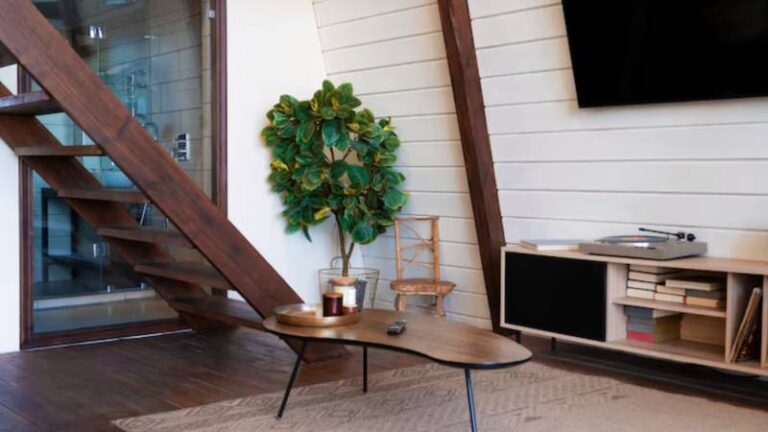
For homeowners researching home remodeling florida options for slab-built houses, one recurring layout challenge is the step-down living area. In many neighborhoods, that lowered lounge was built as a signature feature – great for entertaining in its day, less practical for how people live now. A sunken living room can limit furniture layouts, complicate accessibility, and create a daily trip edge that never really disappears from your awareness.
The encouraging part is that many of these spaces can be leveled with build-up methods rather than heavy slab removal. This article breaks down what typically makes an 1980s florida home different from newer builds, how Florida slabs behave, and how a modern level floor renovation can look finished and intentional. The perspective here reflects what a Florida Residential & Commercial Remodeling Contractor like Guy A Remodeling commonly encounters across the state.
The Design Legacy of 1980s Florida Architecture
In the 1980s, Florida floor plans leaned hard into open living and “big room” entertaining. Dropping the living room one or two steps created a defined gathering zone without walls, which helped large spaces feel more intimate. It also made the seating area feel tucked in, even when ceilings were tall and the room opened to patios or pool decks.
Construction methods helped this trend spread. Many homes were built on slab-on-grade concrete, often wrapped by masonry shells in concrete block homes. With a slab and block exterior as the baseline, designers used interior level changes for drama and definition – especially in homes with arched openings, angled fireplaces, mirrored details, or Mediterranean-inspired features. What read as architectural personality then can read as a dated obstacle now, especially for owners who want a simpler, flatter living zone.
Evaluating Structural Constraints Before Touching the Floor Level
Before any florida home remodeling plan starts raising a depressed floor, the smartest first step is understanding what’s under the finish surfaces and how the drop was formed. Some sunken areas were poured as a depressed slab section; others were created with different slab edges, curbs, or thickened zones that affect how a new build-up can be anchored. The same “one step down” look can hide very different concrete geometry.
A slab foundation remodel also has to respect Florida’s moisture behavior and, in some cases, specialty slab systems. A qualified florida renovation contractor can often identify warning signs early and recommend when engineering input is worth the cost – especially if there’s any chance of post-tension construction or unusual load paths near the step edge.
A quick field check often focuses on a few items:
- Slab type (standard vs. post-tension indicators, where visible)
- Edge conditions at the step-down (curbs, cracks, prior patching)
- Door thresholds near sliders and exterior openings
- Moisture signs (musty odor, discoloration, prior floor failures)
Bridging the Elevation Gap Without Breaking Concrete
Most low-demolition solutions work by building the sunken area up to meet adjacent floors, rather than cutting the higher areas down. That approach keeps dust and noise lower, reduces risk around unknown slab details, and often shortens the path to a clean finished surface. It also gives you a chance to improve comfort with better underlayment, sound control, and updated wiring routes.
The most common method is a framed build-up – often described as a platform floor system – that creates a stable subfloor over the depressed slab. Depending on the depth of the drop, the assembly might use sleepers, short joists, engineered panels, or a hybrid approach. The goal is a floor that feels solid underfoot, lands flush at the perimeter, and leaves room for moisture management so you don’t “seal in” slab vapor.
Designing Seamless Flooring Transitions in High-Humidity Environments
Florida floors fail most often at the seams: where materials meet, where moisture collects, and where expansion space gets pinched. When you raise a sunken area, you create new edges and new opportunities for movement. That’s why product selection and installation details matter as much as the framing.
Many homeowners gravitate toward humidity resistant flooring that tolerates seasonal swings and wet shoes at patio entries. Porcelain tile and quality LVP are common choices, while engineered wood can work when the product rating and underlayment match the site conditions. Whatever you choose, good results usually come from clean perimeter gaps, compatible underlayments, and a plan for how the new level meets adjacent rooms so the finished surface reads like one continuous plane.
Reworking Sightlines and Spatial Flow After Leveling
A sunken living room doesn’t only change floor height – it changes how the room “sits” around you. When the floor comes up, furniture, windows, and lighting land at new relative heights. The same sectional can feel bulkier, and the same pendant can feel lower and brighter than before.
After leveling, it helps to rethink the room as a fresh layout rather than a simple floor patch. Common recalibrations include:
- Furniture scale and spacing (so pathways stay comfortable)
- Focal point height (fireplace surrounds, media walls, art placement)
- Lighting position (to reduce glare at seated eye level)
Preserving Structural Integrity While Modernizing the Layout
Many step-down living rooms have a concrete boundary that does more than mark the edge. That curb or lip can be part of how the slab section was formed, and it can affect cracking behavior over time. Leaving the concrete intact and building within the depressed zone is often the calmer path, since it avoids disturbing old edges that may already have hairline fractures.
It also pays to respect the broader structure around the living room. In concrete block homes, the perimeter masonry often carries roof loads and resists wind forces, so interior changes should avoid “creative” cutting near exterior walls or columns. When the remodel keeps the slab and masonry structure doing what they’ve always done, the finished space typically performs better over the long run – fewer cracks telegraphing through finishes, fewer alignment issues at doorways, and fewer surprises when humidity cycles hit.
Integrating HVAC and Airflow Adjustments Into the Remodel
Raising the floor changes the room’s airflow patterns, even if the ductwork stays the same. In some older layouts, cooler air naturally settled into the depressed seating area, and return grilles were placed to pull air from that lower zone. Once the floor is level, the room may circulate differently and reveal hot spots that weren’t obvious before.
This is also a good moment to review return-air placement and any low wall grilles near the step edge. If a raised assembly blocks a grille or changes how air moves along the floor, comfort can drop quickly in Florida’s humid seasons. Coordinating with HVAC early – before the platform is framed – often prevents awkward last-minute duct moves and helps the remodeled room cool evenly.
Rethinking Lighting After Eliminating the Sunken Effect
Sunken rooms often depended on the “pit” for depth and atmosphere, using one dramatic fixture plus perimeter light. When that depth is gone, lighting has to do more of the work: shaping the space, adding dimension, and supporting different uses (TV, conversation, reading, entertaining).
A layered approach usually feels the most natural in a leveled room. Recessed lights can provide general coverage, while indirect cove lighting or subtle wall-wash lighting can bring back softness and visual texture – especially if the house still has arches, niches, or textured finishes typical of 1980s Florida interiors. Done well, the room feels intentional rather than “flattened.”
Managing Moisture Migration Beneath Raised Platforms
Moisture control is the make-or-break detail for raised floors over slab. Florida slabs can push vapor upward, and a raised platform can trap that vapor if the assembly is built like a sealed box. The goal is to manage vapor in a way that fits the slab condition and the finished flooring system, rather than relying on hope and a thick layer of underlayment.
A good build-up commonly uses a few coordinated layers:
- Capillary break between slab and framing materials
- Vapor management layer appropriate for the slab condition
- Materials rated for slab environments (adhesives, underlayments, fasteners)
Termite realities also matter in Florida. Raised assemblies may affect inspection lines and detailing at edges, so the plan should match local requirements and best practices for long-term serviceability.
Blending Old Architectural Details With Contemporary Finishes
A florida interior renovation doesn’t have to erase every 80s detail to look current. Many homes have arches, rounded corners, textured surfaces, or Mediterranean-inspired elements that can still work when the floor becomes clean and level. The trick is editing: keeping a few character notes and simplifying the rest so the space reads cohesive.
One effective approach is to unify the main living areas with consistent flooring and updated trim profiles, then let one or two legacy features remain as intentional architecture. When the floor plane is flat, the eye notices alignment more – baseboard lines, casing widths, and threshold details become more prominent. Clean detailing here goes a long way toward making the remodel look “built-in,” not patched.
Acoustic and Comfort Upgrades During Floor-Level Modifications
Leveling a sunken room is also a chance to improve how the room feels and sounds. Tall ceilings, hard surfaces, and open plans can create echo, and older floors often transmit footfall noise in ways you only notice once the room becomes a main walkway.
A raised assembly can help, especially when the subfloor is stiff and the finish floor includes a sound-rated underlayment. Some homeowners also appreciate a slightly softer feel underfoot in high-traffic paths – particularly in living rooms that connect the entry, kitchen, and patio. Comfort improvements are often the “surprise win” of this project when the build-up is designed as a full system, not just a height fix.
Increasing Resale Appeal by Eliminating Tripping Hazards and Dated Layouts
In many Florida markets, buyers like open plans but hesitate at unexpected level changes. Removing the step-down edge makes the home easier to move through, easier to furnish, and easier to imagine aging in place. It can also reduce liability concerns for households with kids, pets, or frequent visitors.
From a value perspective, a clean level floor renovation often reads as a meaningful modernization because it changes daily function, not just finishes. The living room becomes flexible again – sectionals, accent chairs, rugs, and traffic paths all work without the constant reminder of the drop. When the work is done with moisture control, solid subfloor design, and cohesive finishes, the update can make an older home compete more confidently with flatter, newer layouts. See more.
Frequently Asked Questions (FAQ)
- Can most sunken living rooms be leveled without major concrete demolition?
- Many can. Building the depressed area up is often the lower-risk approach, especially when slab details are uncertain. Some homes still need targeted concrete work around hearths, odd edges, or plumbing, but full slab removal is not always required.
- How do I know if my home has a post-tension slab?
- Sometimes there are markings or documentation, but many owners don’t have records. A contractor can help look for indicators and recommend safe verification steps before drilling or cutting.
- Will raising the floor create problems at patio sliders or exterior doors?
- It can if thresholds are already tight. Checking door clearances early helps avoid creating a new step or interfering with drainage behavior at the opening.
- What flooring tends to hold up best after leveling in Florida?
- Tile and quality LVP are common choices, and engineered wood can work with the right product rating and installation method. The slab’s moisture condition and the build-up system drive the best match.
- Does a raised platform create mold risk?
- Risk rises when slab moisture is trapped. With a proper vapor strategy, capillary breaks, and slab-rated materials, raised systems can perform well in Florida homes.
- Is this a permit project?
- It depends on scope and local rules. If electrical, HVAC, plumbing, or structural elements change, permits are common. A local pro can advise based on your jurisdiction and the planned work.