
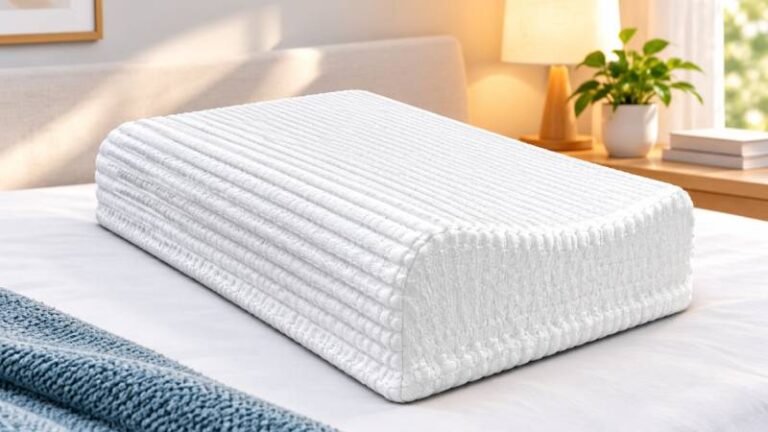
Choosing the appropriate pillow is essential for achieving a comfortable and restful night’s sleep. The right pillow can support the natural alignment of the head, neck, and shoulders, preventing discomfort and promoting overall health. For those seeking quality options, a reputable pillow shop offers a wide array of pillows tailored to different sleep preferences and anatomies.
Understanding Different Sleep Positions
Sleep position significantly influences the type of pillow one should select. The primary sleep positions include back sleeping, side sleeping, and stomach sleeping. Each posture demands varying levels of support and firmness to maintain spinal alignment and prevent tension.
Back Sleepers
Back sleepers require a pillow that supports the natural curve of the neck while keeping the head relatively flat. This helps in avoiding excessive bending of the neck or elevation of the head, which can result in strain. A medium-firm pillow that fills the space between the neck and mattress is often ideal. Many options are available specifically designed for back sleepers, such as the specialised back sleeper pillow, which ensures proper head and neck alignment for this group.
Side Sleepers
Individuals who sleep on their side require a firmer, thicker pillow to fill the distance between the ear and the shoulder. This prevents the head from tilting downward, which may cause neck and shoulder pain. These pillows tend to have a higher loft to maintain proper posture during sleep.
Stomach Sleepers
Stomach sleepers typically benefit from thinner, softer pillows or no pillow at all. Using thick or firm pillows can push the head upwards and strain the neck. Selecting a pillow with a low profile assists in reducing spinal stress for this sleeping position.
Material Considerations for Pillows
The materials used in pillows impact comfort levels, durability, and the ability to regulate temperature. Common materials include memory foam, latex, feather, and synthetic fill. Memory foam pillows conform to the shape of the head and neck, providing customised support. Latex pillows offer resilience and breathability, while feather pillows are soft and mouldable but may lack sufficient support for some sleepers.
Many modern pillows also incorporate cooling technologies to alleviate heat retention associated with foam or synthetic materials. Selecting a cooling pillow can help manage temperature throughout the night, thus enhancing sleep quality.
Assessing Firmness and Loft
Firmness and loft refer respectively to how hard or soft a pillow feels and its height or thickness. These characteristics must correspond to personal comfort preferences and sleep position. For instance, a medium firmness may benefit back sleepers, whereas side sleepers often prefer firmer, higher-loft pillows.
Health Factors in Pillow Selection
Certain health conditions, such as allergies or chronic neck pain, may influence pillow choice. Hypoallergenic pillows prevent dust mite accumulation, benefiting allergy sufferers. Orthopaedic pillows can provide targeted support to relieve neck or shoulder discomfort.
Pillow Maintenance and Longevity
Proper care and maintenance extend a pillow’s functional lifespan and preserve hygiene. Regular cleaning according to manufacturer instructions and periodic replacement every two to three years are recommended practices.
Conclusion
Selecting the right pillow necessitates a careful evaluation of individual sleep positions, material preferences, firmness requirements, and any health considerations. Accessing expert advice and a broad selection through a focused pillow shop enables consumers to make informed decisions, thereby enhancing sleep experience significantly. See more.