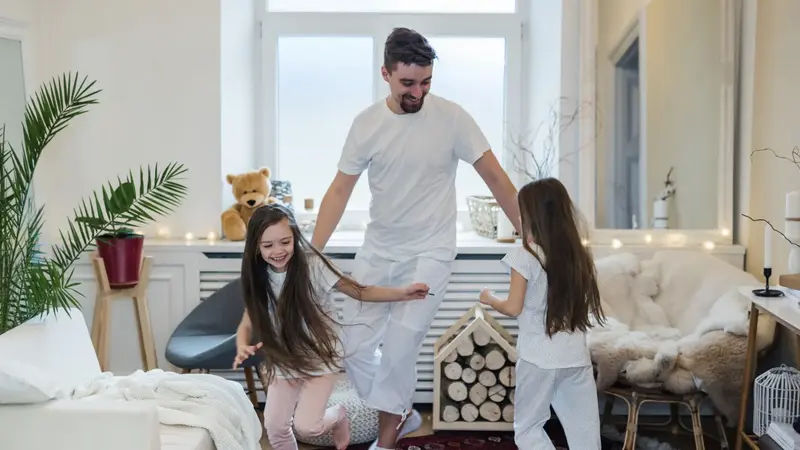
We invest heavily in our physical well-being. We purchase high-performance activewear designed to move with our bodies, optimize our nutrition, track our sleep cycles, and dedicate hours to movement. Yet, many of us overlook the single largest factor influencing our daily recovery: our immediate physical environment.
True wellness doesn’t end when you leave the gym or unroll your yoga mat. It’s a continuous loop, heavily dictated by how our homes make us feel.
For those leading active, high-performance lifestyles, the home shouldn’t just be a place to store gear, it should function as a dedicated recovery sanctuary. By understanding the intersection of spatial design and mental well-being, you can transform your living space into an architecture of calm.
1. Harnessing the Psychology of Color and Light
Our circadian rhythms, the internal clocks that dictate our energy, focus, and sleep quality, are deeply sensitive to our surroundings. To promote deep nervous system recovery after a demanding day or a high-intensity workout, your home’s palette should invite the mind to decompress.
- The Palette: Ditch stark, clinical whites and chaotic brights. Instead, opt for muted earth tones, soft sages, warm taupes, and textured neutrals. These shades mimic the natural world, which inherently lowers cortisol levels.
- The Lighting: Avoid harsh overhead fluorescent lighting, especially in the evening. Layer your lighting with dimmable ambient lamps, warm-toned LEDs, and candles to signal to your brain that it is time to transition into rest-and-digest mode.
2. Designing for Sensory Recovery and Spatial Flow
Athletic performance relies heavily on sensory input, and our brains need a break from the constant overstimulation of modern life. A home that feels cluttered or disjointed forces the brain to continuously process micro-stressors.
Creating a seamless spatial flow means every object has intention and every room has breathing room. Think about tactile comfort, swapping out synthetic textiles for organic linen, performance wool, and natural wood finishes. When your bare feet hit a textured rug or your body sinks into a sustainably structured sofa, it sends an immediate safety signal to your nervous system.
True recovery starts the moment you walk through your front door. Incorporating biophilic design and harmonizing textures can radically reduce daily stress, which is why top-tier luxury interior designers prioritize spatial flow and sensory balance to craft homes that truly restore the mind and body.
3. Creating Dedicated Zones for Rituals
To maintain an active, balanced life, your environment must support your habits. If you have to fight your environment to practice mindfulness or stretch, you simply won’t do it.
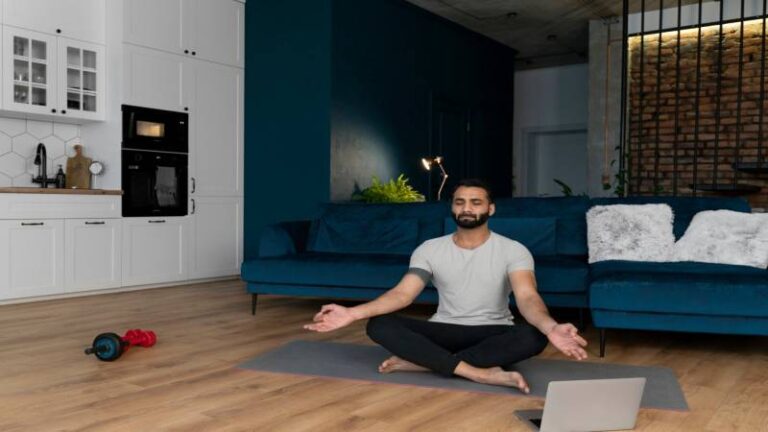
Dedicate a specific, uncluttered corner of your home entirely to restoration. It doesn’t require an entire empty room; a minimalist nook featuring a high-quality meditation cushion, a beautiful basket to store your premium yoga mats, and a sleek aromatherapy diffuser will suffice. When this space is treated with the same aesthetic reverence as your living room or kitchen, your wellness rituals stop feeling like a chore and start feeling like a luxury.
Elevating the Everyday
Living an active lifestyle is about more than just movement, it’s about honoring the quiet moments in between. By intentionally designing your home to be a sanctuary of low stress, you aren’t just decorating; you are investing in your long-term health, longevity, and peace of mind. See more: sosoactive.net.