Creating a home that balances comfort, style, and functionality is a dream for many families. In today’s fast-paced world, homes are not just places to live; they are spaces for relaxation, productivity, bonding, and personal expression. Modern families require adaptable interiors that reflect lifestyle changes, technological advancements, and evolving design trends. With the right planning and creativity, anyone can transform their home into a welcoming and efficient environment.
Many homeowners are now focusing on home improvement ideas that enhance aesthetics while improving functionality. Whether you live in a small apartment or a spacious house, making thoughtful upgrades can significantly improve daily life. For inspiration and practical family-friendly ideas, exploring resources like family lifestyle home inspiration can provide valuable guidance and relatable suggestions.
Designing Spaces That Support Family Living
A modern home must support multiple activities simultaneously. Families often need shared spaces for gatherings, work, and relaxation. Designing multifunctional living areas ensures every family member feels comfortable and accommodated.
One effective strategy is incorporating flexible furniture. Items such as modular sofas, extendable dining tables, and foldable work desks allow homeowners to adapt rooms for various uses. For instance, a living room can serve as a workspace during the day and a relaxation zone at night.
Another crucial factor is space organization. Clutter can make even large homes feel cramped and uncomfortable. Smart storage solutions like built-in cabinets, under-bed storage, and wall-mounted shelves help maintain order while enhancing visual appeal. Families searching for innovative storage and renovation ideas can find helpful insights from modern home organization solutions, which highlights creative ways to maximize living spaces.
Creating Comfortable and Functional Family Rooms
The family room is often the heart of the home. It is where family members gather to watch television, share meals, or spend quality time together. Designing this space requires balancing comfort and practicality.
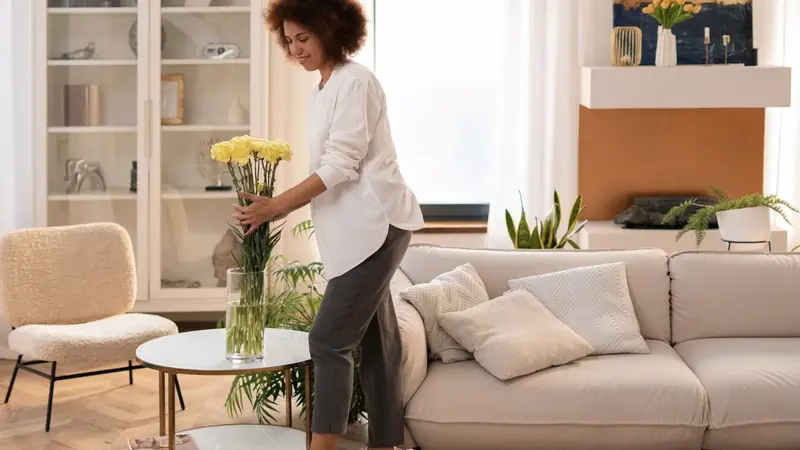
Choosing comfortable seating arrangements is essential. Sofas and chairs should provide proper support while complementing the room’s overall design. Adding soft furnishings such as cushions, rugs, and curtains enhances warmth and coziness. Lighting also plays a crucial role in setting the mood. Layered lighting, combining overhead lights, floor lamps, and table lamps, creates a versatile environment suitable for different activities.
Personal touches like family photographs, artwork, and decorative items add emotional value to the space. These elements help create a sense of belonging and identity within the home.
Upgrading Kitchens for Efficiency and Style
The kitchen is no longer just a cooking area; it has become a social hub where families interact and entertain guests. Modern kitchen design focuses on efficiency, organization, and visual appeal.
One popular trend is the open kitchen concept, which connects cooking spaces with dining and living areas. This layout encourages communication and allows family members to engage with one another while preparing meals.
Storage is another critical aspect of kitchen design. Pull-out cabinets, drawer organizers, and vertical storage systems help keep kitchen essentials accessible and organized. Upgrading appliances to energy-efficient models can also reduce electricity consumption while improving performance.
Color selection significantly influences kitchen ambiance. Neutral tones create a clean and modern look, while vibrant colors add personality and warmth. Combining natural materials like wood and stone further enhances the kitchen’s aesthetic appeal.
Designing Bedrooms for Rest and Relaxation
Bedrooms serve as personal retreats where individuals recharge after busy days. Creating a relaxing bedroom environment involves thoughtful design choices that promote comfort and tranquility.
Selecting comfortable bedding and supportive mattresses is essential for quality sleep. Soft lighting and calming color schemes, such as pastel shades and neutral tones, contribute to a peaceful atmosphere. Minimizing electronic distractions can also improve relaxation and sleep quality.
Storage solutions play a vital role in maintaining bedroom organization. Wardrobes with built-in compartments, floating shelves, and storage benches help reduce clutter while maintaining style. Adding personal elements like artwork, decorative pillows, and plants enhances the room’s aesthetic charm.
Enhancing Outdoor Living Areas
Outdoor spaces are increasingly becoming extensions of indoor living areas. Gardens, patios, and balconies provide opportunities for relaxation, entertainment, and family gatherings. Even small outdoor areas can be transformed into inviting spaces with thoughtful design.
Adding comfortable seating, outdoor rugs, and decorative lighting creates a cozy and welcoming environment. Incorporating greenery through plants, vertical gardens, or small lawn areas enhances natural beauty and promotes relaxation.
Outdoor dining setups are also popular among families who enjoy entertaining guests. Installing pergolas or shade structures ensures comfort during different weather conditions. These enhancements not only improve lifestyle quality but also increase property value.
Embracing Smart Home Technology
Technology has revolutionized modern living, making homes more convenient, efficient, and secure. Smart home devices allow homeowners to control lighting, temperature, and security systems through mobile applications or voice commands.
Smart lighting systems help reduce energy consumption while offering customizable brightness levels. Automated thermostats maintain comfortable indoor temperatures while lowering electricity costs. Security features such as smart door locks, surveillance cameras, and motion sensors provide enhanced protection and peace of mind.
Integrating technology into home design simplifies daily routines and improves overall living experiences. As technology continues to evolve, smart homes are becoming more accessible and affordable for families worldwide.
Choosing Sustainable and Eco-Friendly Designs
Sustainability has become a major focus in modern home design. Environmentally friendly upgrades not only reduce environmental impact but also lower long-term utility expenses.
Using energy-efficient appliances, LED lighting, and solar panels helps minimize electricity consumption. Selecting sustainable materials like bamboo flooring, recycled wood, and eco-friendly paints supports environmental conservation.
Water-saving fixtures, such as low-flow faucets and efficient irrigation systems, reduce water usage without compromising performance. Incorporating indoor plants improves air quality and adds natural beauty to interior spaces.
Personalizing Interiors with Unique Decorative Elements
Decorative elements bring character and individuality to homes. Personalized décor allows homeowners to showcase their tastes, experiences, and cultural influences.
Artwork, handmade crafts, and customized furniture pieces create distinctive interiors. Mixing textures, patterns, and materials adds visual depth and sophistication. Incorporating cultural or sentimental items enhances emotional connections within living spaces.
Seasonal decorations also provide opportunities to refresh home interiors throughout the year. Simple changes, such as updating cushions, curtains, or wall décor, can transform the overall ambiance without major renovations.
Maintaining Balance Between Style and Functionality
Successful home design requires balancing visual appeal with practicality. While aesthetics play a significant role in creating beautiful interiors, functionality ensures daily comfort and convenience.
Homeowners should consider lifestyle needs, family size, and daily routines when planning improvements. Investing in durable materials, ergonomic furniture, and efficient layouts ensures long-term satisfaction and usability.
Regular maintenance and periodic updates keep homes looking fresh and well-organized. Small improvements, such as repainting walls, upgrading lighting fixtures, or replacing worn-out furniture, can make noticeable differences.
Conclusion: Building Homes That Inspire and Comfort
Transforming a home into a stylish and functional living space requires creativity, planning, and attention to detail. Modern families benefit from interiors that support diverse activities, promote comfort, and reflect personal style. From upgrading kitchens and bedrooms to enhancing outdoor spaces and embracing smart technology, thoughtful improvements significantly enhance daily living experiences.
Exploring expert ideas, practical tips, and real-life family inspirations from trusted platforms like family lifestyle home inspiration and modern home organization solutions can help homeowners make informed design decisions. By combining innovation, sustainability, and personalization, families can create homes that provide comfort, functionality, and lasting memories. Visit more blogs.