
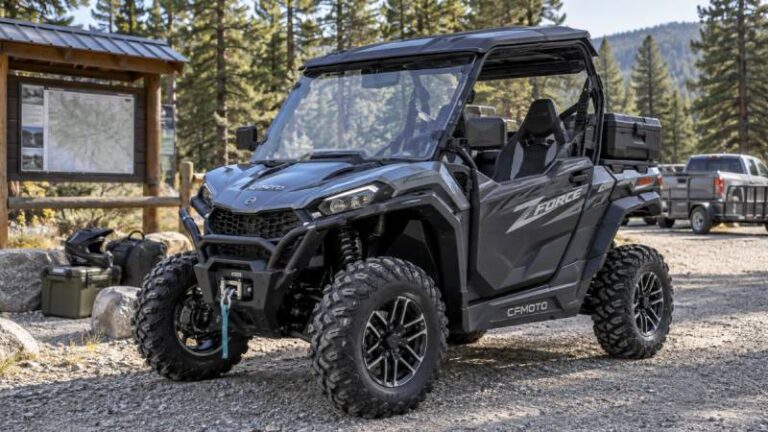
A stock CFMOTO ZForce handles most trail conditions just fine right out of the box. It’s stable, capable, and built to take a beating on rough terrain. But the longer you own one, the more you notice where it starts to fall short. A quick afternoon ride is one thing. A full day out on dusty forest roads, or a cold morning trail run where wind cuts straight through the cab, is a different story.
This is usually the point where owners start looking into upgrades. Not because the machine is lacking, but because their riding has grown past what the stock setup was built for. The trick is doing this the right way. Instead of buying a pile of accessories because they looked good online, it helps to think about what’s actually bothering you on the trail first, then find the parts that solve that specific problem. That approach keeps your ZForce useful and organized instead of turning it into a cluttered mess of add ons that don’t work well together.
Start With Wind and Weather Protection
Wind is usually the first thing riders notice once they start covering more ground. At low speeds, it’s barely there, but once you’re moving at a steady clip on an open trail, that constant airflow gets tiring fast, especially in cooler months.
This is where windshields come into the picture. A front windshield cuts down on wind, dust, and small debris kicked up from the trail ahead, which makes a real difference on longer rides. Some riders prefer a flip windshield instead, since it lets you switch between full coverage and open airflow depending on conditions. On a hot afternoon, you might want it flipped up for ventilation, then flipped back down once the temperature drops or the dust picks up.
There’s a trade-off worth mentioning here. More coverage means better protection from wind and weather, but it can also reduce airflow through the cab, which matters if you’re riding somewhere warm. This is why a lot of owners lean toward adjustable or flip-style windshields rather than a fixed one. It gives them the flexibility to adjust based on the day instead of committing to one setup year-round. Rear windshields are also worth considering if dust from behind is a bigger issue than wind from the front, particularly if you’re often riding with a passenger.
Improve Cab Protection With the Right Door Setup
Once wind and weather are handled, the next thing riders usually notice is what’s coming in low, around their legs and feet. Mud, rocks, and trail debris have a way of finding their way into the cab through open door areas, especially on tighter trails with brush on either side.
Lower door inserts are a common fix for this. They close off the lower section of the cab without turning the vehicle into a fully enclosed box, which keeps things breathable while still blocking most of what would otherwise fly in. For riders who want more complete coverage, upper doors or full door setups add protection higher up as well, though this comes with some trade offs around entry and exit. Getting in and out becomes a little less convenient once you add more coverage, so it’s worth thinking about how often you’re hopping in and out during a typical ride.
Material matters too. Aluminum options tend to hold up better against impact and long-term wear, while lighter materials can be easier to remove or swap out depending on the season. Whichever direction you go, fitment is the detail that trips people up most. Door and lower door accessories are usually built around specific ZForce models and years, so checking that before buying saves a lot of frustration later.
Add Storage Based on What You Actually Carry
This is the upgrade area that tends to get overdone. It’s easy to look at a catalog of bags, boxes, and cargo racks and want to add all of them, but the better approach is figuring out what you’re actually hauling on a typical ride first.
If you’re mainly carrying small tools, a phone, water, or basic recovery gear, a center storage bag or door bags might be all you need. These sit within easy reach and don’t take up much room. For riders hauling more gear on longer trips, bigger cargo solutions like rear bed enclosures or dedicated cargo racks make more sense, since they’re built to hold larger loads without crowding the cab itself.
The goal isn’t to fill every available mounting point. It’s to match your storage to your actual riding pattern. A short weekend rider and someone doing all-day backcountry runs are going to need very different setups, and buying based on someone else’s build instead of your own use case usually just adds weight and clutter without adding real value.
Improve Visibility and Everyday Comfort
Smaller upgrades matter too, even if they don’t get as much attention as windshields or doors. Mirrors are a good example. Stock visibility can be limited depending on the model, and adding a proper rear-view mirror makes a noticeable difference when you’re riding with others or backing into a tight spot.
Cabin comfort items round things out. A tablet or phone holder keeps navigation or trail maps within easy view without you having to dig through a bag mid-ride. Little additions like this don’t change how the vehicle performs, but they make longer days on the trail considerably less tiring. The key here is restraint. It’s tempting to keep adding small conveniences, but a cab that’s too crowded with holders and mounts starts working against you instead of for you.
Make Sure Everything Works Together
Before finalizing any build, it’s worth stepping back and checking how the pieces fit together. This step gets skipped more often than it should, and it’s usually the reason people end up with parts that don’t actually work with their setup.
Start with the basics: your exact ZForce model, the model year, and how that affects mounting locations. The ZForce lineup includes different variants, and accessories built for one aren’t always compatible with another, even within the same family. Windshield and door compatibility is especially important to double-check, since these parts often have tight fitment requirements. It’s also worth looking at how much clearance you have once multiple accessories are installed together. A windshield and a set of upper doors, for instance, need to line up correctly or you’ll end up with gaps or interference.
Comparing options side by side before committing to a full build is one of the easier ways to avoid this. Browsing through a full range of CFMOTO ZForce accessories lets you see what’s actually designed to work with your specific model, rather than piecing together parts from different sources and hoping they align.
Build in Stages Instead of Buying Everything at Once
Once you know what you want, resist the urge to order everything in one go. A staged approach works better for almost every rider, and it gives you a chance to actually test each change before adding the next one.
A reasonable order to follow is protection first, comfort second, then storage and convenience, with anything purely optional coming last. Protection covers the basics like windshields and doors, since these deal with the most immediate issues around weather and debris. Comfort items come next because they affect how the ride feels over longer stretches. Storage and organizational accessories follow once you know how much space you actually need. Anything beyond that is more about personal preference than necessity.
The table below sums up how these upgrade areas connect to the problems they solve.
Riding the vehicle after each major change is worth the extra time. It’s the easiest way to tell whether something actually solved the problem you had, or whether you need to adjust course before adding more to the build.
Conclusion
Upgrading a CFMOTO ZForce works best when it’s based on the terrain you ride, the climate you deal with, and the specific problems you’ve run into out on the trail. There’s no universal list of must-have parts, because what one rider needs for long-distance backcountry trips looks nothing like what another rider needs for short weekend rides closer to home.
The real goal isn’t to end up with the most accessories bolted onto your machine. It’s to end up with a ZForce that feels more comfortable, better organized, and genuinely suited to how you actually ride it. Take it one upgrade at a time, pay attention to what each change actually does for you, and the build will end up a lot more useful than if you’d tried to do it all at once. See more.