
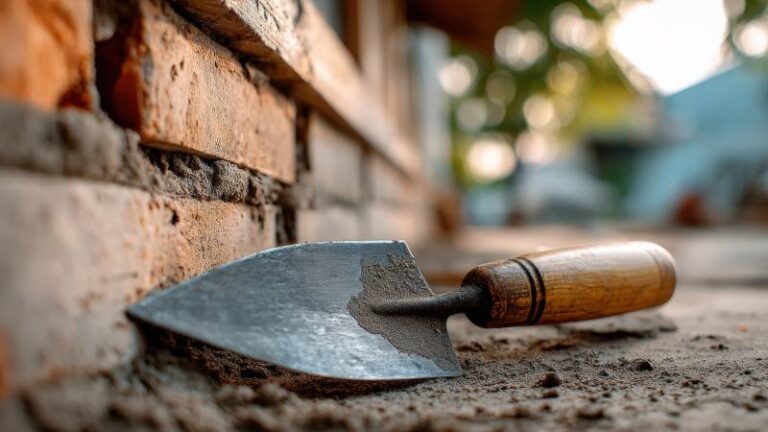
Why Precision Masonry Restoration is an Art Form?
There is a profound, quiet dignity in a brick building that has weathered the decades. Whether it is a historic Victorian, a rugged industrial loft, or a classic suburban home, brickwork represents a promise of permanence. However, even the most formidable fortress has a vulnerability: the mortar. While a high-quality brick can last for over a century, the mortar joints that hold them together are designed to be sacrificial. They bear the brunt of the wind, the driving rain, and the punishing freeze-thaw cycles. When those joints begin to crumble, the integrity of the entire structure is at stake.
This is where the specialized craft of tuckpointing enters the narrative. Far from a simple patch job, tuckpointing is a meticulous restoration process that bridges the gap between historical preservation and modern engineering. It is the architectural equivalent of a “fountain of youth” for your home’s exterior.
The Anatomy of Decay: When Mortar Becomes the Enemy
To understand the value of restoration, one must first understand the physics of a brick wall. Mortar is intended to be softer and more porous than the brick it supports. This is a deliberate design choice; it allows moisture to escape and provides a degree of flexibility as the building settles.
However, over twenty to thirty years, this “sacrificial” material reaches its limit. Once mortar begins to crack or recede, it stops acting as a shield and starts acting as a funnel. Water enters these crevices, and when it freezes, it expands with incredible force. This leads to “spalling”—a condition where the faces of the bricks themselves begin to pop off because the pressure from the failing mortar has nowhere else to go. If you notice white, powdery salt deposits (efflorescence) or visible gaps in your brickwork, your building is sounding a silent alarm.
The Tuckpointing Technique: Precision as a Standard
Tuckpointing is often confused with “repointing,” but the two are distinct. While repointing is the act of replacing old mortar with new, tuckpointing adds a layer of aesthetic brilliance. It involves a two-tone process:
- Preparation: The old, failing mortar is carefully ground out to a specific depth without damaging the edges of the bricks.
- The Base: A new mortar, tinted to match the color of the existing brick, is packed into the joints.
- The “Fillet”: A thin, contrasting line of fine putty (usually white or cream) is applied in the center of the joint.
This technique creates a visual illusion of perfectly sharp, narrow joints, even if the bricks themselves are old and slightly irregular. The result is a crisp, “like-new” appearance that honors the original craftsmanship while providing a fresh, waterproof seal.
Engineering for Longevity: The Science of the Mix
In the world of restoration, the mortar mix is everything. One of the most common mistakes in modern masonry is using “Type S” Portland cement on historic buildings. Modern cement is incredibly hard and brittle. When used on older, softer hand-pressed bricks, it prevents the wall from breathing. This often leads to the bricks cracking because the mortar is now stronger than the masonry units it is supposed to protect.
Professional restoration teams utilize custom-blended lime-based mortars that mimic the composition of the original 19th or early 20th-century materials. These “breathable” mixes ensure that moisture can evaporate through the joints rather than being trapped behind the brick face. It is a technical nuance that separates a temporary fix from a generational investment.
The Financial Logic of Restoration
Beyond the obvious aesthetic transformation, tuckpointing is a savvy financial move. A building with failing mortar joints is a liability. It invites water into the wall cavity, which eventually leads to rotted structural headers, mold growth, and damaged interior drywall.By addressing the mortar before the bricks fail, you avoid the astronomical costs of a full masonry rebuild. Furthermore, a freshly tuckpointed home sees an immediate boost in appraisal value. In a competitive real estate market, buyers are hyper-aware of “deferred maintenance.” Seeing crisp, expertly finished masonry sends a powerful message that the home has been meticulously cared for, giving you significant leverage during a sale.
Choosing Your Craftsman: The Search for Local Mastery
Masonry restoration is not a “DIY” project, nor is it a job for a general laborer. It requires a steady hand, a deep knowledge of historic chemistry, and an eye for color matching. The person wielding the grinder and the tucking trowel must be part artist and part engineer.For homeowners in dense urban environments or historic districts, the stakes are even higher. You need a team that understands the specific challenges of your local climate—whether that is the humid salt air of the coast or the brutal sub-zero winds of the plains. Most successful restoration journeys begin with a search for tuckpointing near me to identify specialists who have a portfolio of local work you can visit. A local expert will know which brickyards carry the right replacement units and which mortar tints will stand up to the local UV exposure without fading.
Conclusion: Honoring the Past, Securing the Future
Your home’s masonry is its most visible legacy. It is the skin that protects your family and the face that greets your neighborhood. Tuckpointing is the act of honoring that legacy. It is a commitment to the idea that some things are worth saving, worth polishing, and worth protecting for the next century. When the afternoon sun hits a freshly restored brick wall, the depth of color and the precision of the lines provide a sense of satisfaction that few other home improvements can match. See more.